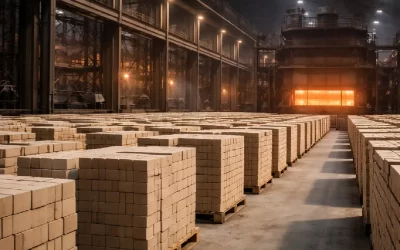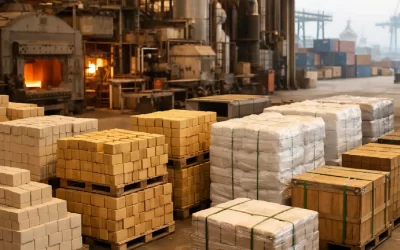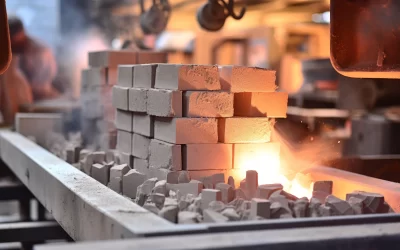
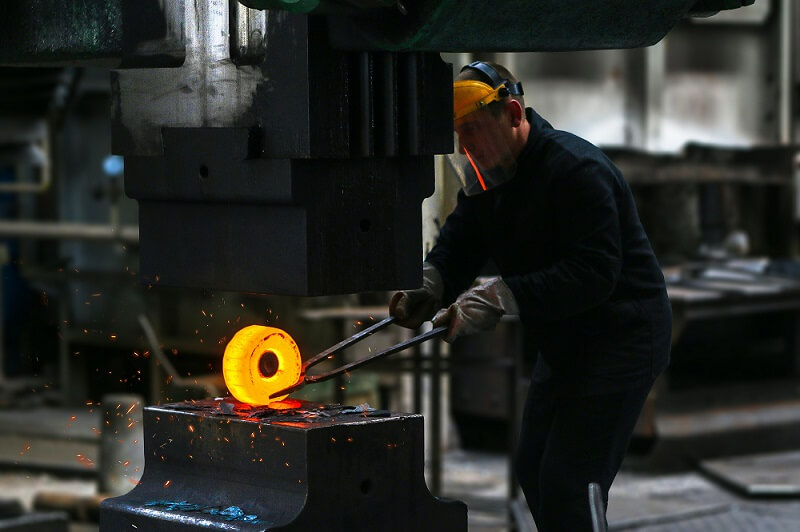
Glass melting furnaces are essential equipment in glass manufacturing industries. They are used to melt raw materials into molten glass. The refractory material used in these furnaces has a significant impact on furnace performance.
Glass melting furnaces are widely used in various industrial sectors such as chemical, pharmaceutical, food, beverage, and electronics. These furnaces are usually operated at high temperatures ranging from 1000°C to 2000°C. Refractories are commonly used in glass melting furnaces.
There are several types of refractories, each having its unique properties. This article provides a brief overview of common refractory materials used in glass melting furnaces.
Refractory Materials Used In Glass Melting Furnaces:
Refractory materials are used in glass melting furnaces to withstand high temperatures. They are also known as refractories or fire bricks. What are some common types of refractory material used in glass melting furnaces? The following is a list of the most common refractory materials used in glass melting furnaces.
1. Quartz Sand
Quartz sand is a silicate mineral composed primarily of silicon dioxide (SiO2) and aluminum oxide (Al2O3). It is mined from quarries and processed into various forms, including glass-making sand. In glass melting furnaces, quartz sand serves as a refractory material, protecting the furnace lining from high temperatures.
2. Silica Fume
Silica fume is a fine powder produced by heating natural silicates at extremely high temperatures. When heated above 1,200 degrees Celsius, the silicates decompose into a fine white powder called silica fume. Silica fume is commonly used as a raw material for making ceramic products.
3. Slag
Slag is a mixture of molten materials left over after metal smelting processes. It contains metals and nonmetals, including iron, copper, zinc, lead, arsenic, antimony, bismuth, barium, cadmium, chromium, cobalt, molybdenum, nickel, selenium, silver, tin, titanium, tungsten, vanadium, and zirconium. Slag is often recycled and reused as a construction material.
4. Fly Ash
Fly ash is a type of slag that is collected during coal combustion. It consists mainly of alumina (Al2O3), silica (SiO2), and ferric oxide (Fe2O3). Fly ash is sometimes mixed with cement to make concrete.
5. Cement
Cement is a substance formed when limestone reacts chemically with clay and water. Limestone is a naturally occurring chemical compound that contains calcium carbonate (CaCO3). Cement is widely used in construction projects due to its durability and ease of use.
6. Lime
Lime is a chemical compound containing calcium oxide (CaO) and oxygen (O2). It is a major ingredient in many types of mortar and concrete. Lime is used in conjunction with Portland cement to create cementitious materials.
7. Gypsum
Gypsum is a crystalline mineral consisting mainly of calcium sulfate (CaSO4·2H2O). It is mined from mines and quarries and then processed into wallboard and plaster. Gypsum is often combined with other ingredients to produce a variety of building materials.
Importance of Refractory Material in Glass Melting Furnaces:
What is its importance in glass melting furnaces? Refractory materials are those substances that resist high temperatures and corrosive gases. They are the main components of furnace walls and linings. Glass melting furnaces are very important in the production of glass and other ceramics. The quality of the molten glass depends upon the temperature at which it is melted. Hence, it is essential to control the temperature of the furnace. This requires the use of refractory materials.
Find the Best Solution for Glass Melting Furnaces:
Heat and chemical assaults are the primary concerns of the glass industry’s furnaces. This will negatively affect the superstructure of the furnace. Due to this, the glass industry suffered significant losses.
It is therefore important to always use the best refractory material in order to avoid any harm. In the case of furnace liners, heat and chemicals can cause them to break down. Additionally, hire refractory lining contractors who are qualified. This way, the quality of your glass operations won’t be adversely affected by excessive heat fluctuations.
Ganeshas is one of the best places to go; if you’re looking for the best refractory materials for glass melting furnaces. Ganesha is a leading manufacturer of refractory materials in India that offers quality approved refractory materials at the best price you can ever think of. Want to crack the best deal? Get in touch with our team today!