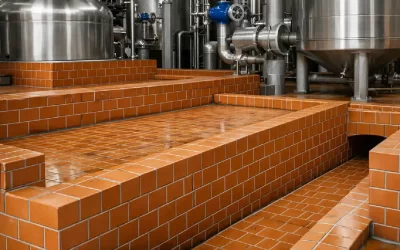

In cement manufacturing, the rotary kiln is the heart of the process. Operating at extreme temperatures and handling aggressive chemical reactions, it demands durable and precisely engineered refractory systems. Choosing the right fire bricks for rotary cement kilns directly impacts plant efficiency, clinker quality, fuel consumption, and maintenance cycles.
This guide explores the key selection factors, material comparisons, and maintenance insights to help you choose the best refractory solution for long-term kiln performance.
Key Insights
- Selecting the right fire bricks for rotary cement kilns directly impacts kiln lifespan, fuel efficiency, and production stability.
- Different kiln zones (preheating, transition, burning, cooling) require specific cement kiln refractory bricks based on temperature and chemical exposure.
- Critical selection factors include thermal shock resistance, alkali resistance, abrasion resistance, and rotary kiln operating temperature.
- High alumina refractory bricks are commonly used in high-temperature zones, while magnesia fire bricks for kilns perform best in the burning zone.
- Proper refractory brick installation in kilns and regular kiln refractory maintenance significantly reduce unexpected shutdowns.
The Role of Fire Bricks in Rotary Cement Kilns
A rotary cement kiln operates between 1,000°C and 1,450°C in different zones. The rotary kiln refractory lining protects the steel shell from thermal stress, chemical attack, and mechanical wear.
Key functions of cement kiln refractory bricks include:
- Withstanding high temperatures
- Resisting alkali and chemical attack
- Managing thermal shock
- Supporting clinker coating formation
- Minimizing heat loss
Without properly selected high temperature fire bricks for kilns, frequent breakdowns and costly shutdowns become inevitable.
Cement Kiln Zones & Brick Requirements
Different zones inside a kiln demand specific brick compositions.
1. Preheating Zone
- Moderate temperatures
- Exposure to alkali vapors
- Requires alkali-resistant, abrasion-resistant bricks
2. Transition Zone
- Rapid temperature fluctuations
- Needs strong thermal shock resistance
3. Burning Zone
- Peak temperatures (up to 1,450°C)
- Intense chemical attack
- Requires high alumina refractory bricks or magnesia fire bricks for kilns
4. Cooling Zone
- Mechanical wear from clinker movement
- Needs high abrasion resistance
This is why selecting the best fire bricks for cement kiln lining requires a zone-specific approach.
Key Fire Brick Selection Factors for Rotary Kilns
When evaluating fire brick selection factors for rotary kilns, consider the following:
1. Rotary Kiln Operating Temperature
The brick must match the maximum sustained temperature. High alumina refractory bricks are ideal for high-heat zones.
2. Chemical Resistance
Cement kilns face alkali attack, sulphur compounds, and clinker reactions. Choose chemical resistant fire bricks for rotary kilns where alkali concentration is high.
3. Abrasion Resistance
Clinker movement causes wear. Durable industrial fire bricks for cement plants reduce erosion rates.
4. Thermal Shock Resistance
Frequent start-stop cycles demand bricks with strong thermal stability.
5. Clinker Coating Formation
Some zones rely on protective clinker coating. The brick composition should encourage stable coating adhesion.
6. Insulation Efficiency
Proper rotary kiln thermal insulation reduces fuel consumption. Cement kiln insulation bricks are often used as backup layers.
Alumina vs Magnesia Bricks: A Comparison
A common comparison of alumina vs magnesia bricks for kilns reveals:
| Property | Alumina Fire Bricks for Cement Kilns | Magnesia Fire Bricks for Kilns |
| Temperature Resistance | High | Very High |
| Alkali Resistance | Moderate to High | Excellent |
| Clinker Compatibility | Good | Excellent in burning zone |
| Thermal Shock Resistance | Better | Moderate |
| Cost | Generally Lower | Higher |
Both materials are critical components of modern rotary cement kiln refractory systems.
Working with the Right Suppliers
Selecting experienced kiln lining brick suppliers is as important as choosing the material itself. A reliable supplier provides:
- Zone-wise refractory recommendations
- Custom brick shapes
- Technical support during installation
- Long-term maintenance guidance
Companies like Ganesha’s Refactory specialize in advanced cement kiln lining bricks, offering high-performance solutions for demanding industrial conditions.
For a deeper understanding of Rotary kilns refractories, refer to expert technical resources that outline material grades and application strategies.
If you’re sourcing materials in bulk, reviewing a structured Bulk Fire Bricks Purchase Checklist ensures quality, compliance, and long-term value.
Conclusion
When choosing fire bricks for rotary cement kilns, it’s not enough to make sure they can handle high temperatures; you also need to make sure they have the right balance of thermal performance, chemical durability, mechanical strength, and insulation efficiency.
From alumina fire bricks for cement kilns to magnesia fire bricks for kilns, every zone demands tailored materials. Proper installation, regular maintenance, and trusted suppliers ensure your rotary kiln refractory lining performs efficiently for years.
Investing in high-quality heat resistant bricks for rotary kilns ultimately protects production continuity, clinker quality, and overall plant profitability.
Frequently Asked Questions
1. Why is fire brick selection important in cement kilns?
Correct selection ensures durability, minimizes downtime, reduces fuel costs, and protects the kiln shell from extreme temperatures.
2. Which zones in a cement kiln require different fire bricks?
The preheating, transition, burning, and cooling zones each require distinct brick properties based on temperature and chemical exposure.
3. What factors affect fire brick performance in cement kilns?
Operating temperature, chemical attack, abrasion, thermal shock resistance, and clinker coating behavior significantly affect performance.
4. When should kiln fire bricks be replaced?
Replacement is necessary when cracks, severe wear, coating loss, or hot spots on the kiln shell are detected during inspection.