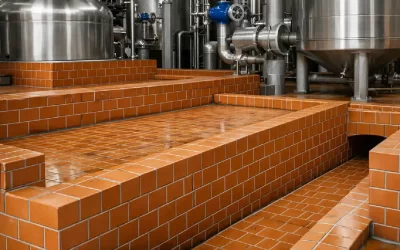
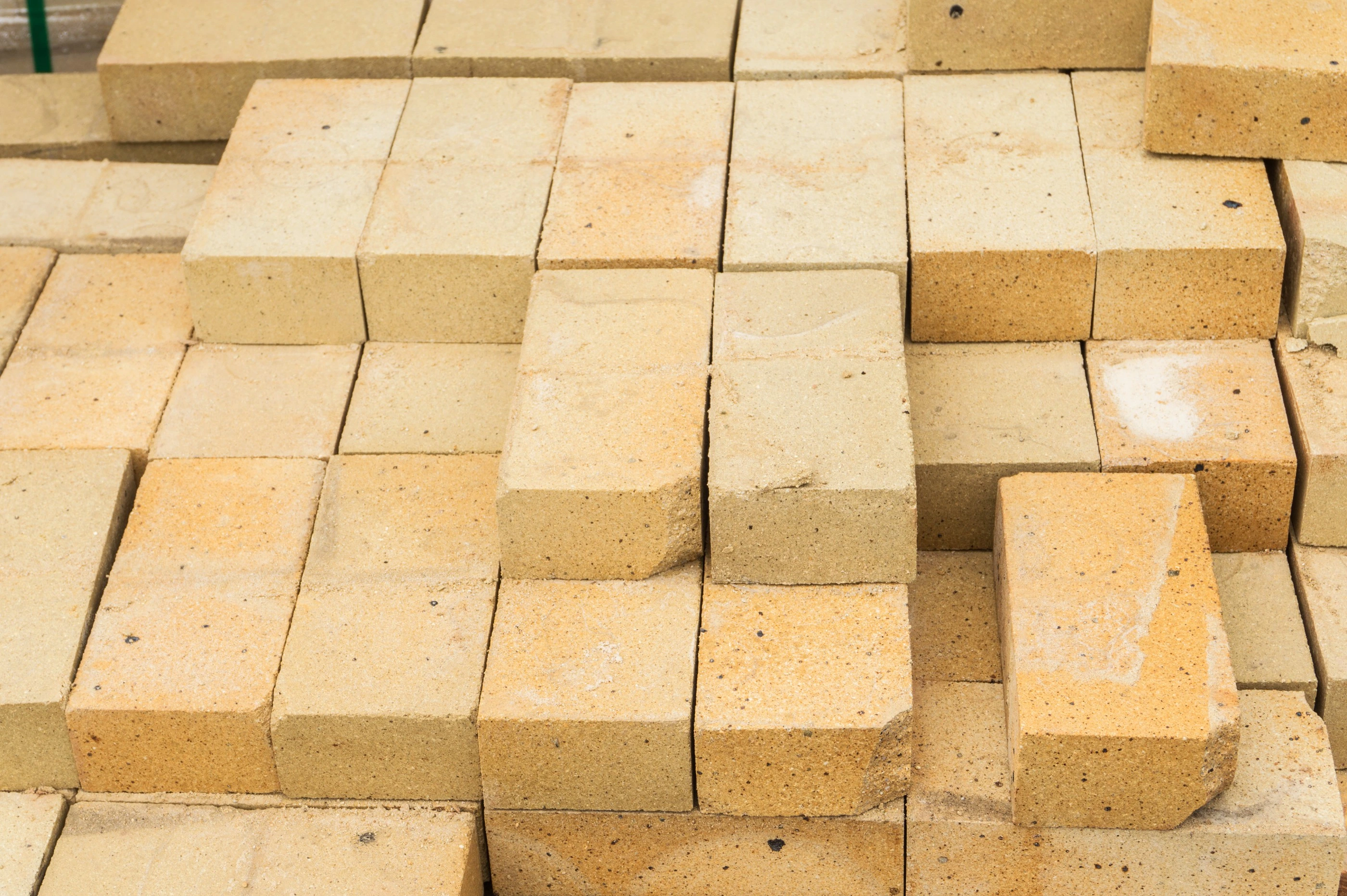
When it comes to industries operating in extreme heat conditions, having the right materials is crucial. What is silica bricks, and why are they so important in modern manufacturing?
These remarkable materials have revolutionized how we handle extreme temperatures in industrial settings. Ganeshas has been at the forefront of developing these essential industrial materials.
Understanding Their Role
Silica fire brick plays a vital role in industries like glass manufacturing, steel production, and cement kilns. These specialized materials contain at least 93% silicon dioxide (SiO₂), making them exceptionally resistant to high temperatures and acidic environments.
Their unique composition enables them to maintain structural integrity under conditions that would quickly deteriorate other materials.
Key Properties and Benefits
The properties of refractory fire bricks make them indispensable in modern industry.
Exceptional Thermal Resistance: These materials maintain their structural integrity even at temperatures exceeding 1700°C, making them ideal for extreme heat applications.
Chemical Stability: Their unique composition provides superior resistance to acidic environments and chemical degradation, ensuring longer operational life.
Cost-Effective Performance: Despite the initial investment, their durability and longevity make them a cost-effective choice for industrial applications.
Minimal Maintenance Requirements: Their robust nature significantly reduces the need for frequent replacements and repairs.
Industrial Applications
The versatility of silica bricks makes them invaluable across various industries. In glass manufacturing, where furnaces operate at incredibly high temperatures, acid resistant bricks are essential for protecting the furnace structure from both heat and chemical reactions.
These materials have become the backbone of modern glass production, ensuring consistent quality and operational efficiency.
Material Selection Guidelines
When selecting refractory materials, industry experts at Ganeshas recommend considering these critical factors.
- Temperature Requirements: Assess your maximum operating temperature needs
- Chemical Exposure: Consider the types of chemicals your process involves
- Operational Cycles: Evaluate how frequently your temperature fluctuates
- Budget Considerations: Factor in both initial costs and long-term maintenance
Installation and Maintenance Best Practices
The effectiveness of refractory materials heavily depends on proper installation and maintenance procedures. Industry leaders like Ganeshas emphasize the importance of precise installation techniques to maximize performance and longevity.
This includes proper joint spacing, mortar selection, and curing procedures. Regular inspection schedules should be established to monitor wear patterns and identify potential issues before they become critical.
Temperature monitoring systems can help optimize performance and prevent premature deterioration. Professional installation teams should follow manufacturer specifications closely, ensuring proper expansion allowances and support structures are in place.
This attention to detail during installation can significantly extend the operational life of your refractory system.
Environmental Impact and Sustainability Considerations
As industries worldwide focus on reducing their environmental footprint, the production and use of refractory materials have adapted to meet these challenges. The durability of these materials contributes to sustainability by reducing the frequency of replacements and associated waste.
Additionally, new formulations are being developed to lower energy consumption during the manufacturing process while maintaining high-performance standards. The industry is also exploring ways to recycle used refractory materials, creating a more circular economy approach to industrial heat management.
Industry Evolution and Future Prospects
The refractory materials industry continues to evolve, driven by technological advancements and changing industrial needs. Current developments focus on improving energy efficiency and implementing sustainable manufacturing processes.
Advanced monitoring systems are being integrated to optimize performance, while research into hybrid materials promises to combine multiple benefits in future products.
Making Informed Decisions
Understanding your specific needs is crucial when selecting refractory materials. Process requirements, environmental conditions, and maintenance schedules all play vital roles in determining the most suitable material for your application.
By carefully considering these factors alongside long-term cost implications, you can make decisions that optimize both performance and value.
Conclusion
The importance of these materials in modern industrial processes cannot be overstated. Their unique properties make them indispensable in high-temperature applications, from glass manufacturing to steel production. When selecting materials for your specific application, consulting with industry experts like Ganeshas can help ensure you make choices that align with your operational needs and goals.
With proper selection and maintenance, these remarkable materials will continue to protect and support industrial processes for years to come.