A decision regarding Refractory Mortar vs. Refractory Cement in an industrial manufacturing environment where temperatures often exceed 3000°F (1650°C) directly impacts productivity and equipment lifespan. Among the leading manufacturers of refractory materials in India, we at Ganeshas realize the importance of choosing between refractory mortar and refractory cement for critical applications wisely.
The global refractory material market, valued at $30.3 billion, is expected to grow at a compound annual growth rate of 4.7 percent by 2030. The present estimated value, according to ResearchAndMarkets.com, stands at $19.2 billion, growing between the years 2021 and 2030, adds the report.
Whether it be running a steel mill, glass furnace, or cement kiln, knowing the differences in properties and uses of such materials can help you optimize your process. Refractory Mortar vs. Refractory Cement: How are they different? We will go over the difference between mortar and cement in this guide so you can make an informed decision on which fits better with your manufacturing needs. Let’s dive in and make this much-needed decision less complicated.
Understanding Refractory Materials
Refractory materials play a very important role in those industries where high-temperature processes are very common. They include the mortar uses in a lot of ways, which have been designed in such a way that they can bear such extreme temperatures without losing physically and chemically. The choice between refractory mortar and refractory cement can significantly impact the performance and lifespan of industrial equipment such as furnaces, kilns, and reactors.
Refractory Mortar: Composition and Properties
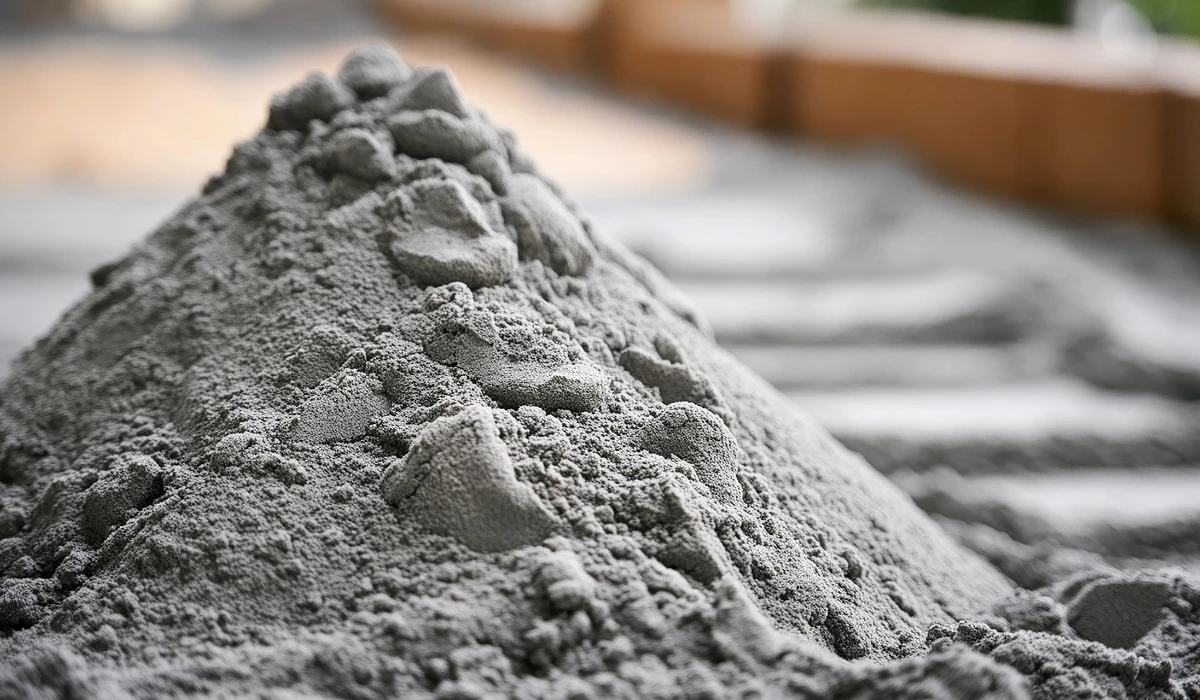
Refractory mortar is a specialized material designed for bonding refractory bricks or blocks in high-temperature settings. Its composition typically includes:
- Refractory aggregates
- High-temperature binders
- Specific additives for enhanced performance
The mortar mix is carefully formulated to provide excellent bonding strength, thermal shock resistance, and compatibility with various refractory bricks. When considering different types of mortar, it’s essential to recognize that refractory versions are specifically engineered for extreme temperature resistance.
Applications of Refractory Mortar
The versatility of refractory mortar makes it suitable for numerous industrial applications, including:
- Lining of industrial furnaces and kilns
- Construction and repair of high-temperature boilers
- Assembly of incinerators
- Fabrication of complex refractory structures
Its ability to create strong, heat-resistant joints between refractory bricks makes it indispensable in many manufacturing processes.
Refractory Cement: Composition and Properties
Refractory cement has several characteristics that essentially differ from conventional mortars. The main features are resistance to high temperatures and durability. We can say it is the main reason that makes this material suitable for many refractory cement uses.
- Hydraulic setting
- Capability of monolithic structure formation
- Its versatility in application methods.
Unlike conventional cement, refractory cement is specifically formulated to withstand extreme temperatures while maintaining structural integrity. Its ability to gain strength through chemical reactions provides distinct advantages in certain applications.
Applications of Refractory Cement
The properties of refractory cement make it particularly suitable for:
- Creating monolithic linings for furnaces and reactors
- Forming complex shapes for specialized equipment
- Casting large, seamless structures in high-temperature environments
- Executing rapid repairs and patching of existing refractory linings
Its adaptability in forming various shapes and structures makes it a valuable option for diverse manufacturing processes.
Comparative Analysis: Refractory Mortar vs Refractory Cement
When deciding between these materials, several factors should be considered:
Application Method
Refractory mortar is typically applied in thin layers between refractory bricks or blocks, requiring skilled application to ensure proper bonding and joint thickness. Refractory cement, in contrast, can be cast, gunned, or troweled to form larger, continuous structures, offering more flexibility in application methods.
Temperature Resistance
Both materials offer high-temperature resistance, but specific temperature ranges can vary based on composition. Some types of mortar mix can withstand temperatures up to 3000°F (1650°C) or higher, while refractory cement formulations may have different temperature limits based on their specific composition and intended use.
Strength Development
Refractory mortar often develops its full strength after exposure to high temperatures, which causes sintering and ceramic bonding. Refractory cement, especially those with hydraulic setting properties, can develop significant strength at ambient temperatures, which can be advantageous in applications where immediate strength is required.
Repairability
Structures built with refractory mortar and bricks can often be repaired by replacing individual bricks and reapplying mortar. Monolithic structures created with refractory cement may require more extensive repairs if damaged, potentially involving cutting out and recasting sections.
Making an Informed Decision
The choice between refractory mortar and refractory cement depends on various factors specific to each manufacturing process. Consider the following when making your decision:
- Temperature requirements of the application
- Structural needs of the equipment
- Preferred application methods
- Maintenance and repair considerations
- Cost-effectiveness over the long term
For traditional brick-and-mortar constructions in high-temperature settings, refractory mortar often excels. Its ability to bond refractory bricks and withstand extreme temperatures makes it ideal for many furnace and kiln applications.
On the other hand, refractory cement offers unique advantages in creating monolithic structures and complex shapes. Its versatility in application and ability to form seamless linings make it suitable for specialized equipment and large-scale installations.
Get Expert Support for Your Refractory Needs
At Ganeshas, we know that choosing the right material for your industrial needs is important. That’s why we’re here to help you decide between refractory mortar v/s refractory cement with solutions tailored to your specific applications. Our experienced team will work with you to understand your requirements and recommend the best option for your high-temperature operations. With the right choice, you can improve efficiency and keep your equipment running smoothly for longer.
Are you ready to get started? Get the right advice today by contacting us.