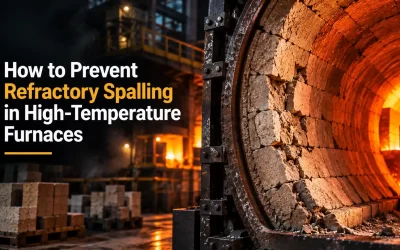
Refractory materials serve as the backbone of various industrial sectors, ensuring efficient and smooth application processes. Industries ranging from steel, iron, and cement, to glass heavily rely on the best refractory industry in India for QA-approved materials like fireclay bricks, castable refractory cement, refractory mortar, and more.
In this guide, we delve into the specifics of one of the most common refractory materials utilized in the cement and construction industry – Castable Refractory Cement. So, without further ado, let’s explore the top 8 crucial factors to consider before using castable refractory. Let’s dive in!
What is Castable Refractory Cement?
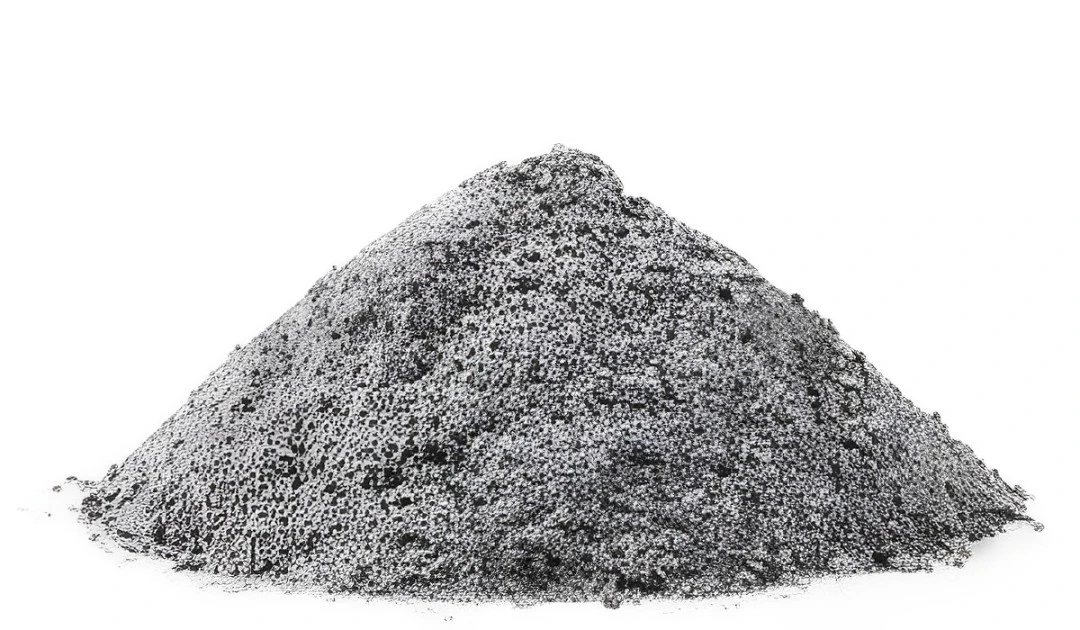
Castable refractory cement is one type of versatile refractory material. It is a mixture of fine refractory grains and binders that are generally mixed with water to form a dense, high-strength final product that is capable of withstanding extreme temperatures.
Castable refractory cement exhibits excellent thermal shock resistance and can withstand temperatures ranging from 2,000°F to over 3,000°F (1,093°C to 1,650°C) depending on the specific formulation. Refractory materials like this are ideal for forming monolithic linings in high-temperature equipment such as kilns, furnaces, boilers, and incinerators.
There are different types of castable refractory cement tailored to specific applications, including low-cement, ultra-low cement, insulating, and conventional dense castables. Therefore, it is vital to reach out the Ganeshas – the best refractory material manufacturer in India for getting industry-centric refractory solutions.
8 Things to Know Before Using Castable Refractory Cement
Once selected, castable refractory cement requires proper using technique to achieve its full strength and thermal resistance. The following listed are 8 things to know before using castable refractory cement to get the best out of it. Have a quick look!
1) Understand the Application Demands
First & foremost. Before selecting a castable refractory cement, it’s essential to comprehensively assess the specific application requirements. Factors such as the anticipated temperature range, frequency of thermal cycling, exposure to chemical agents, and mechanical stress must be carefully evaluated to determine the most suitable type of castable refractory cement.
2) Inside Content Matters, Check Material Composition
Understanding the composition of castable refractory cement is vital. This encompasses the types of refractory grains employed, the binders utilized, and any specialized additives incorporated to enhance the material’s overall performance. When it comes to buying quality castable refractory cement – checking material composition and quality approved certificates are considered factors.
3) Water addition & Mixing
When in the mix-up stage, it is important to follow the manufacturer’s guidelines regarding water addition. Adding to much water or mixing over-excessive can completely lose their efficiency. Hence, make sure to add accurately required water to achieve the optimal workability and consistency of the castable refractory cement – not too thin & not too thick.
4) Castable Refractory Cement Installation Method
It is essential to choose the best installation method depending on the demands of the particular castable refractory cement application and the geometry of the structure. To guarantee the most successful and efficient application of castable refractory cement, measures about troweling, gunning, and casting should be carefully considered.
5) Forms and Molds
Castable refractory cement can be shaped into various forms and configurations. To prevent the forms from losing moisture during curing, applying a thin coat of grease or oil can help maintain proper moisture levels. This step is crucial to ensure uniform curing and prevent cracking or weak spots in the castable structure.
7) Storage and Handling
Another mandatory factor. Handle and store castable refractory cement properly. To avoid premature setting or degradation, it should be stored in a cold, dry place. When mixing, try not to stir too much since this can produce heat and shorten the setting time. It is best to stay away from contaminants like old castable in mixers or tools since they might degrade the mixture’s quality.
8) Maintenance & Inspection
Castable refractory cement must undergo regular maintenance and inspection in order to function properly and last for a long time in high-temperature applications. Regular inspections for wear, cracking, or degradation can aid in the early detection of such problems – saving maintenance and repair costs at best.
Conclusion:
We hope you now understand how to make the most of it. Your search for high-quality refractory materials has been over. With years of experience in manufacturing premium refractory materials like refractory cement, castable, mortar, fireclay, AR bricks, and more, Ganeshas is a well-known refractory manufacturer in India. Please get in touch with the team to find refractories that will work for your project.