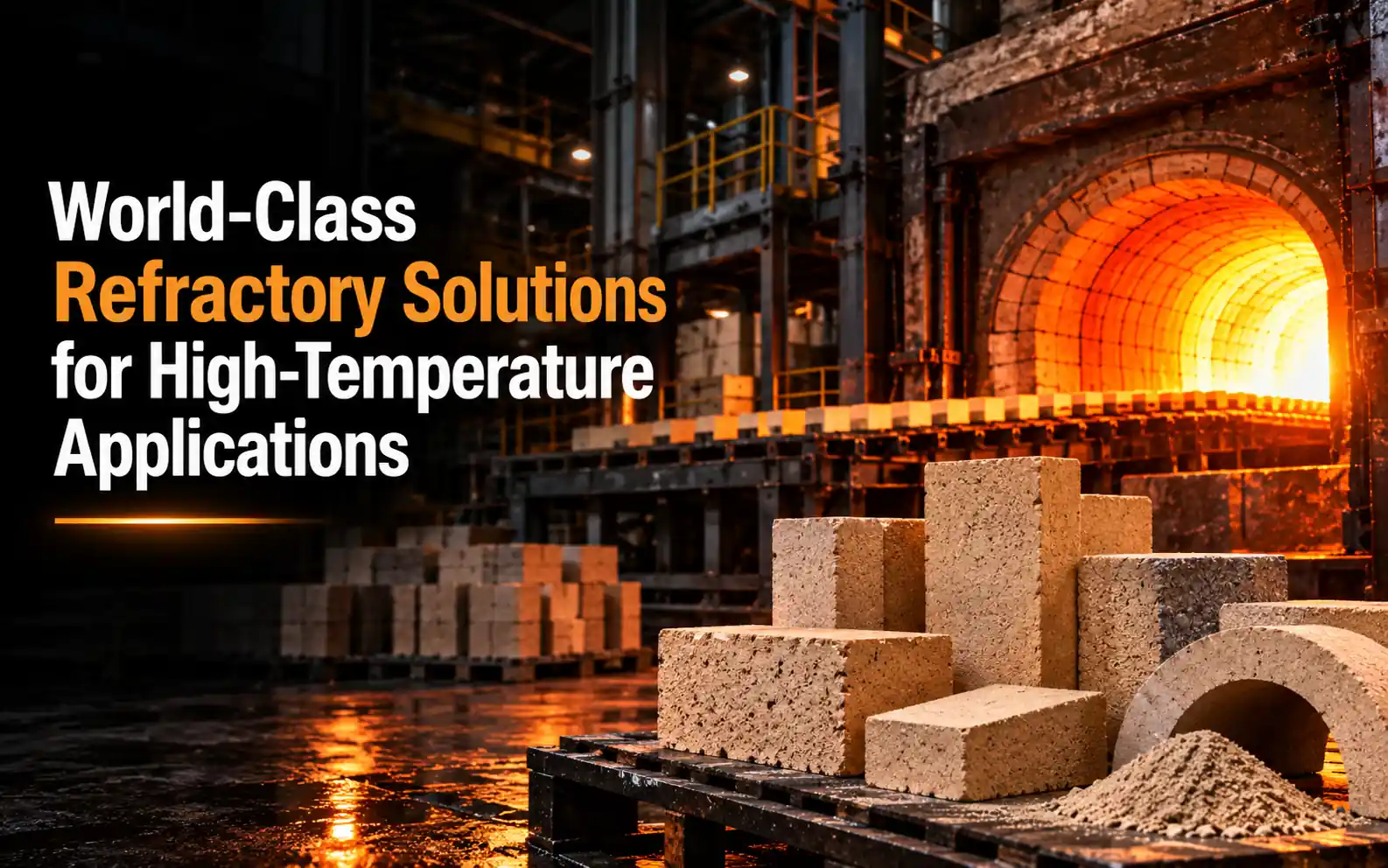
Industrial furnaces, kilns, and high-temperature processing equipment operate under conditions that standard materials cannot withstand. Extreme heat, thermal cycling, chemical exposure, and mechanical stress demand materials engineered specifically for these environments. High-temperature refractory solutions provide the thermal resistance and structural integrity that industrial operations depend on, from steel and cement production through to glass manufacturing, foundry operations, and refinery processing.
Key Takeaways
- High-temperature refractory solutions are engineered materials designed to withstand extreme heat, chemical attack, and mechanical stress in industrial environments.
- Core refractory products include fire bricks, castables, fire clay, and refractory tiles, each suited to specific furnace and kiln applications.
- Selecting the right refractory material means matching the product to the application’s operating temperature, chemical environment, and load conditions.
- Industries including steel, cement, glass, and foundry operations rely on refractory lining systems for continuous, high-volume production.
- Quality refractory materials reduce unplanned downtime, lower maintenance costs, and extend furnace lining service life.
What Are High-Temperature Refractory Solutions?
Refractory solutions are heat-resistant materials used to line furnaces, kilns, reactors, and other high-temperature industrial equipment. They protect structural components from thermal damage, maintain operating temperatures, and resist chemical corrosion caused by slag, gases, and molten materials. A complete refractory lining system typically combines several product types: dense bricks and castables for the working face, refractory mortar for secure jointing and installation, and insulation layers to reduce heat loss at the furnace shell. Specifying the right combination for each zone of the lining structure determines long-term furnace performance.
Core Refractory Products for High-Temperature Applications
The right product for each zone of a furnace or kiln depends on the specific thermal, chemical, and mechanical conditions of that area. Here is how the core refractory products used in high-temperature applications compare across their key properties and uses.
Refractory Fire Bricks
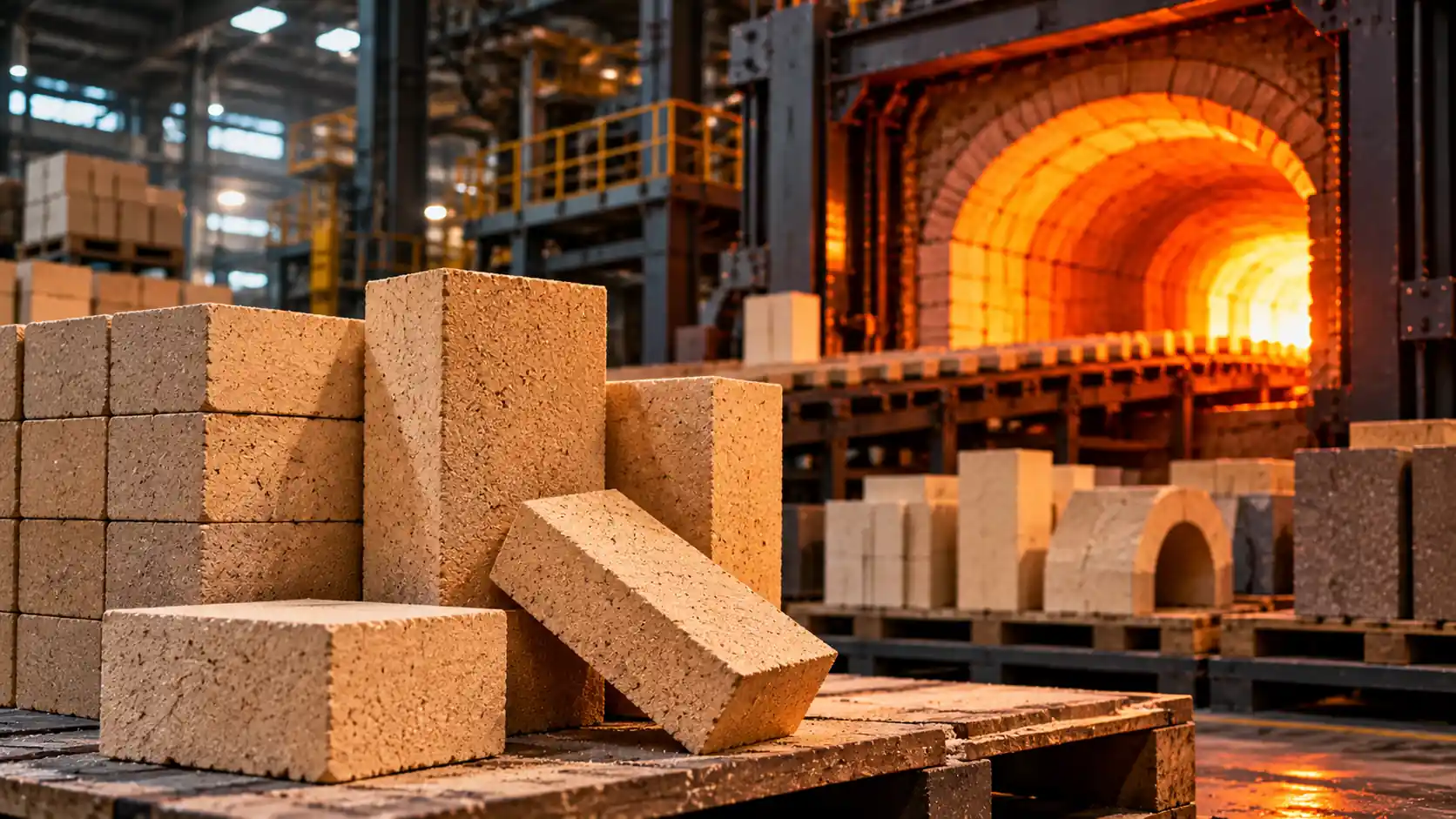
Fire bricks are the most widely used dense refractory product in industrial furnace and kiln construction. Manufactured from high-alumina or fire clay compositions, they offer high compressive strength, stable thermal performance, and resistance to abrasion and chemical attack at elevated temperatures. They form the primary working lining of steel furnaces, cement kilns, glass tanks, and boilers, acting as the main thermal barrier between the process and the furnace structure. Ganesha’s refractory fire bricks are manufactured to consistent specifications for demanding industrial applications where reliable performance across the full thermal cycle is essential.
Refractory Castables
Refractory castables are unshaped materials that can be poured, pumped, or trowelled into position and set to a dense, heat-resistant mass. This makes them particularly suited to complex geometries, repair applications, and areas where brickwork cannot provide a complete seal or consistent coverage. They offer strong thermal shock resistance and are used extensively in furnace roofs, tapholes, and monolithic lining systems across steel and cement production. Ganesha’s refractory castables are available across a range of alumina contents and setting characteristics to match the specific requirements of each application.
Fire Clay
Fire clay is a natural aluminosilicate material used as both a raw material in refractory manufacturing and a functional component in furnace construction. Its high thermal resistance, workability, and low thermal expansion make it suitable for mortar mixes, patching compounds, and refractory product formulations. In industrial furnace construction, fire clay plays a structural role in maintaining lining integrity across long operating cycles and under repeated thermal cycling. Ganesha’s fire clay products are available for both direct application in industrial refractory systems and as a base material in product manufacturing.
Refractory Tiles
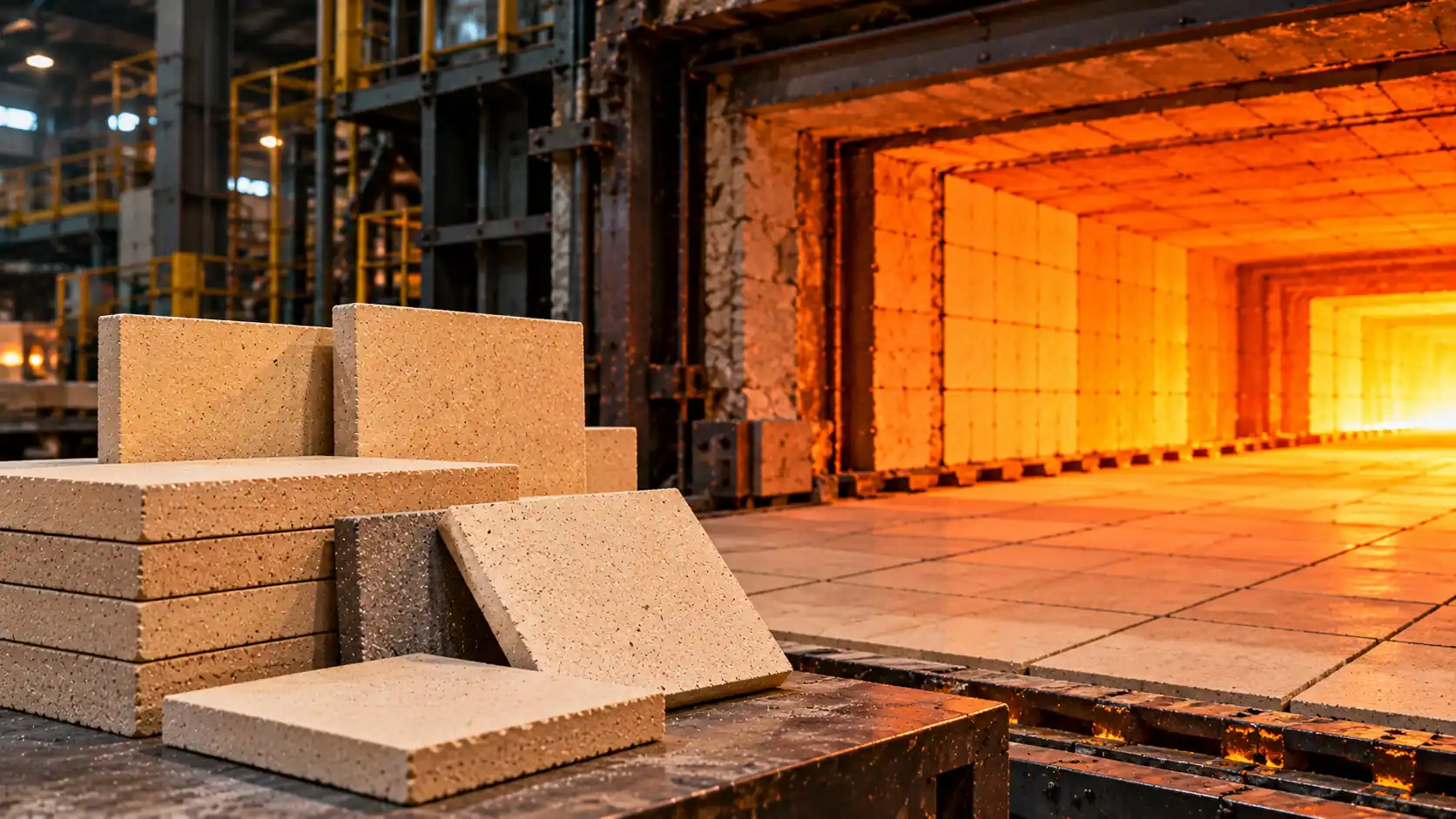
Refractory tiles provide a flat, high-density surface layer suited to areas subject to thermal radiation, abrasion, and direct chemical exposure. They are widely used in furnace floors, combustion chambers, and kiln car surfaces where reliable operation requires a smooth, dimensionally consistent working surface. Their controlled dimensions allow precise installation and predictable thermal performance across the lined area. Ganesha’s refractory tiles are manufactured to tight tolerances for consistent performance in high-temperature industrial installations across multiple sectors.
Choosing the Right Refractory Material for High-Temperature Applications
Selecting the correct refractory product requires a detailed assessment of the operating environment, not just the peak temperature. As Vulcan Refractories’ analysis of refractory fundamentals notes, chemical attack, mechanical stress, and thermal cycling all influence which material will perform and last in a given application. Specifying based on temperature rating alone, without accounting for slag chemistry, abrasion loads, or cycling frequency, leads to premature lining failure, higher repair costs, and unplanned production downtime.
A correctly specified lining system matches the product to each zone of the furnace or kiln structure, using denser, more chemically resistant materials at the working face and lighter insulation products further from the heat source. Ganesha’s Refractories provides the full product range needed to build complete lining systems for industrial furnaces, from fire bricks and castables for the working lining through to fire clay and mortar for jointing and patching, ensuring consistent material performance across the entire refractory installation.
Final Thoughts
High-temperature refractory solutions are the foundation of consistent industrial furnace and kiln performance. From refractory fire bricks and castables to fire clay and precision-manufactured tiles, selecting the right product for each zone of the lining structure determines how reliably the furnace operates and how long the lining lasts. Ganesha’s Refractories manufactures a comprehensive range of industrial refractory products designed for the most demanding high-temperature applications in steel, cement, glass, and foundry operations.
Frequently Asked Questions
What are refractory solutions used for?
Refractory solutions line furnaces, kilns, boilers, and industrial reactors where operating temperatures exceed the limits of conventional materials. They protect structural components from thermal damage, resist chemical corrosion, and maintain the conditions needed for consistent industrial production.
What are the most common types of refractory products?
Common refractory products include fire bricks, refractory castables, fire clay, refractory mortar, insulation bricks, and refractory tiles. Each product type serves a specific function within the furnace lining system, from the working face through to the insulation layer at the furnace shell.
How do I choose the right refractory material for a high-temperature application?
Match the material to the application’s operating conditions: peak temperature, thermal cycling frequency, chemical environment, and mechanical load. Selecting a product on temperature rating alone, without accounting for chemical attack or abrasion, frequently leads to premature failure and increases the total cost of the lining over its service life.
Which industries use high-temperature refractory solutions?
The steel, cement, glass, foundry, and refinery industries are the largest users of high-temperature refractory solutions. These industries rely on refractory linings to maintain furnace and kiln integrity under continuous, high-volume production conditions with demanding thermal and chemical exposure.
Why are refractory materials important in industrial furnaces?
Refractory materials protect the furnace shell from extreme heat, maintain operating temperatures, and resist chemical attack from slag and process gases. A correctly specified refractory lining reduces unplanned downtime, lowers maintenance frequency, and extends the service life of the furnace structure over its full operating period.