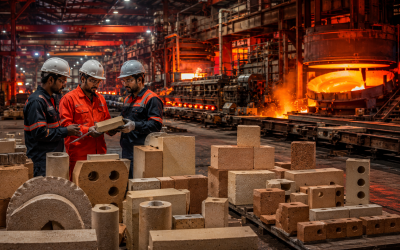
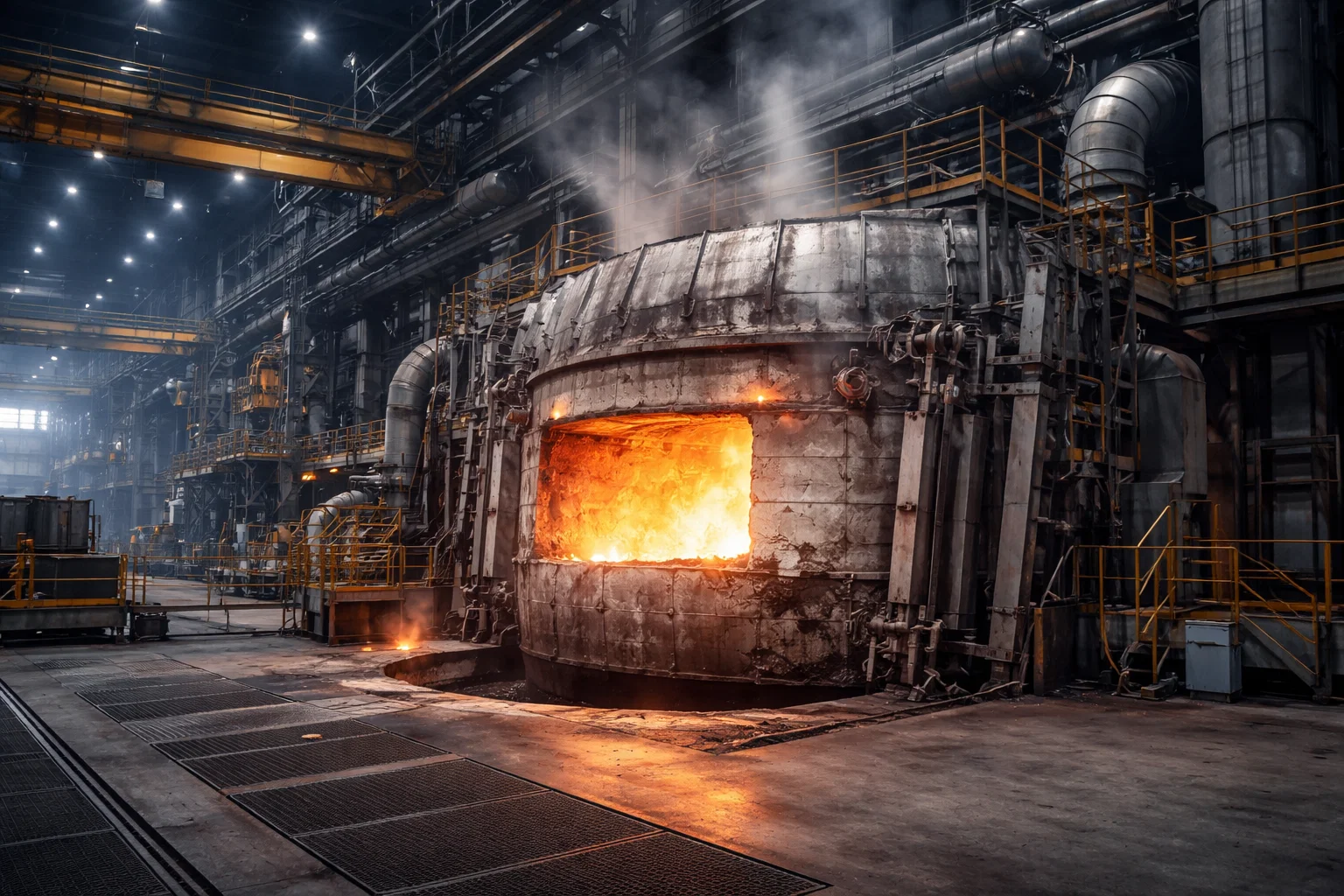
Every industrial furnace operates in one of the harshest environments in manufacturing. Extreme temperatures, chemical exposure, mechanical stress, and constant operational cycles push furnace components to their limits daily. While burners, control systems, and structural components often receive regular inspection, one critical element quietly carries the responsibility of protecting the entire furnace system, the refractory lining.
Understanding the early signs that indicate an industrial furnace refractory upgrade is essential for maintaining uninterrupted manufacturing operations. A single refractory failure can shut down production lines worth lakhs per hour, yet lining deterioration often goes unnoticed until major operational damage occurs. Let’s explore the key indicators that signal your furnace may need immediate attention.
Key Takeaways
- Early detection of refractory lining damage signs prevents costly furnace shutdowns and safety risks.
- Monitoring heat patterns, cracks, and erosion helps identify furnace lining failure early.
- Scheduled furnace refractory maintenance extends lining lifespan and improves performance.
- Upgrading refractory materials enhances safety, fuel efficiency, and manufacturing productivity.
Signs that Indicate Need for Industrial Furnace Refractory Upgrade
Visible Refractory Cracking in Furnaces
One of the earliest and most noticeable refractory lining damage signs is cracking. While minor surface cracks may appear normal due to thermal expansion, deep or spreading cracks signal structural weakness.
Cracked linings expose furnace shells to direct heat, increasing the risk of furnace wall damage and safety hazards. Persistent refractory cracking in furnaces often indicates the need for a refractory upgrade for industrial furnace systems.
Refractory Spalling Causes Surface Peeling or Chipping
Spalling occurs when pieces of refractory material flake off due to rapid temperature changes, moisture penetration, or chemical reactions. This is one of the most common symptoms of damaged refractory in furnace environments.
If operators notice flaking surfaces or falling debris, it often indicates advanced refractory wear and tear and signals the best time to consider a high temperature refractory upgrade.
Unusual Furnace Overheating Due to Refractory Failure
When insulation fails, heat escapes uncontrollably, causing external furnace surfaces to overheat. This can create serious furnace overheating due to refractory failure, risking equipment and worker safety.
An overheating furnace is often a clear sign of thermal insulation failure and demands immediate furnace refractory replacement.
Industrial Furnace Losing Heat Because of Lining Damage
Have you noticed increased fuel consumption but declining output efficiency? This may be caused by an industrial furnace lining deterioration.
A worn refractory lining allows heat leakage, forcing furnaces to consume more fuel to maintain operational temperatures. Such industrial heating efficiency loss significantly increases operational costs and carbon emissions.
Increased Energy Consumption Without Production Gain
Energy inefficiency is one of the strongest indicators that a refractory upgrade for furnaces is overdue. According to global industrial energy audits, refractory deterioration alone can increase fuel consumption by 10–20% across heavy industries like steel, cement, and fertilizer production.
Monitoring energy consumption trends helps determine when to replace furnace refractory lining before operational costs escalate.
Signs of Furnace Lining Failure or Structural Distortion
Bulging furnace walls, irregular internal surfaces, or shell deformation often indicate furnace lining failure. Structural distortion can compromise furnace stability and lead to sudden operational shutdowns.
Such symptoms highlight severe refractory erosion in furnaces, requiring immediate inspection and potential furnace refractory maintenance or full replacement.
Frequent Maintenance or Emergency Shutdowns
If your furnace requires repeated patch repairs, it could indicate that the refractory lining lifespan is nearing its end. Constant maintenance increases downtime, labor costs, and safety risks.
Industry experts suggest that recurring repairs usually signal the need for a comprehensive refractory upgrade for industrial furnaces rather than temporary fixes. Such symptoms suggest it may be the best time to upgrade furnace refractory systems.
Chemical Corrosion and Material Erosion
Furnaces operating in chemical-intensive industries often experience accelerated refractory erosion in furnaces. Acidic or alkaline process environments can degrade refractory surfaces rapidly.
Selecting specialized Refractory Materials for Furnace applications from reliable Refractory Material Manufacturers can significantly improve resistance against chemical attacks.
Furnace Refractory Maintenance Checklist and Benefits
A structured furnace refractory maintenance checklist helps detect problems early:
- Regular visual inspection for cracks or spalling
- Thermal scanning to detect hot spots
- Monitoring energy consumption trends
- Checking insulation thickness and erosion levels
- Scheduling periodic professional inspections
Some of the major Refractory Upgrade Benefits for Manufacturing Furnaces include:
- Improved thermal efficiency and reduced fuel costs
- Enhanced furnace safety and structural protection
- Reduced downtime and maintenance expenses
- Increased refractory lining lifespan
- Improved product quality and temperature control
Conclusion
Industrial furnaces operate as the heart of manufacturing processes. A failing refractory lining does not simply reduce efficiency, it threatens operational safety, production continuity, and financial performance.
Studies by the U.S. Department of Energy emphasize that ignoring refractory lining damage can result in prolonged downtime and costly operational disruptions, reinforcing the importance of timely furnace refractory replacement.
Recognizing early symptoms of damaged refractory in furnace systems allows industries to plan proactive upgrades instead of reacting to catastrophic failures. Timely refractory maintenance is not merely a repair decision, it is a strategic investment in long-term productivity and operational resilience.
Frequently Asked Questions
How often should refractory lining be replaced in industrial furnaces?
The refractory lining lifespan typically ranges between 3 to 10 years depending on operating temperature, chemical exposure, and maintenance quality. Regular inspections help determine the exact replacement timeline.
Can damaged refractory lining affect furnace efficiency?
Yes, damaged lining leads to industrial furnaces losing heat because of lining damage, causing higher fuel consumption and significant industrial heating efficiency loss.
What causes refractory lining failure in industrial furnaces?
Common causes include thermal shock, chemical corrosion, mechanical stress, improper installation, and prolonged refractory wear and tear.
Is it better to repair or replace furnace refractory lining?
Minor surface damage can be repaired, but severe cracking, erosion, or repeated failures usually require complete furnace refractory replacement or a full high temperature refractory upgrade.