Every day, chemicals getting spilled, heavy machinery, heavy foot traffic, and significant changes in temperature beat up industrial floors. Ordinary flooring simply cannot survive this kind of environment for long. That’s where Acid & Alkali Resistant Tiles come in.
Engineered specifically to withstand corrosive substances and heavy mechanical stress, these tiles are the preferred flooring choice for chemical plants, refineries, pharmaceutical units, and other process industries. In this blog, we’ll explore why acid- and alkali-resistant tiles matter, how they protect your facility, and what benefits they bring to industrial flooring.
What Are Acid- & Alkali-Resistant Tiles?
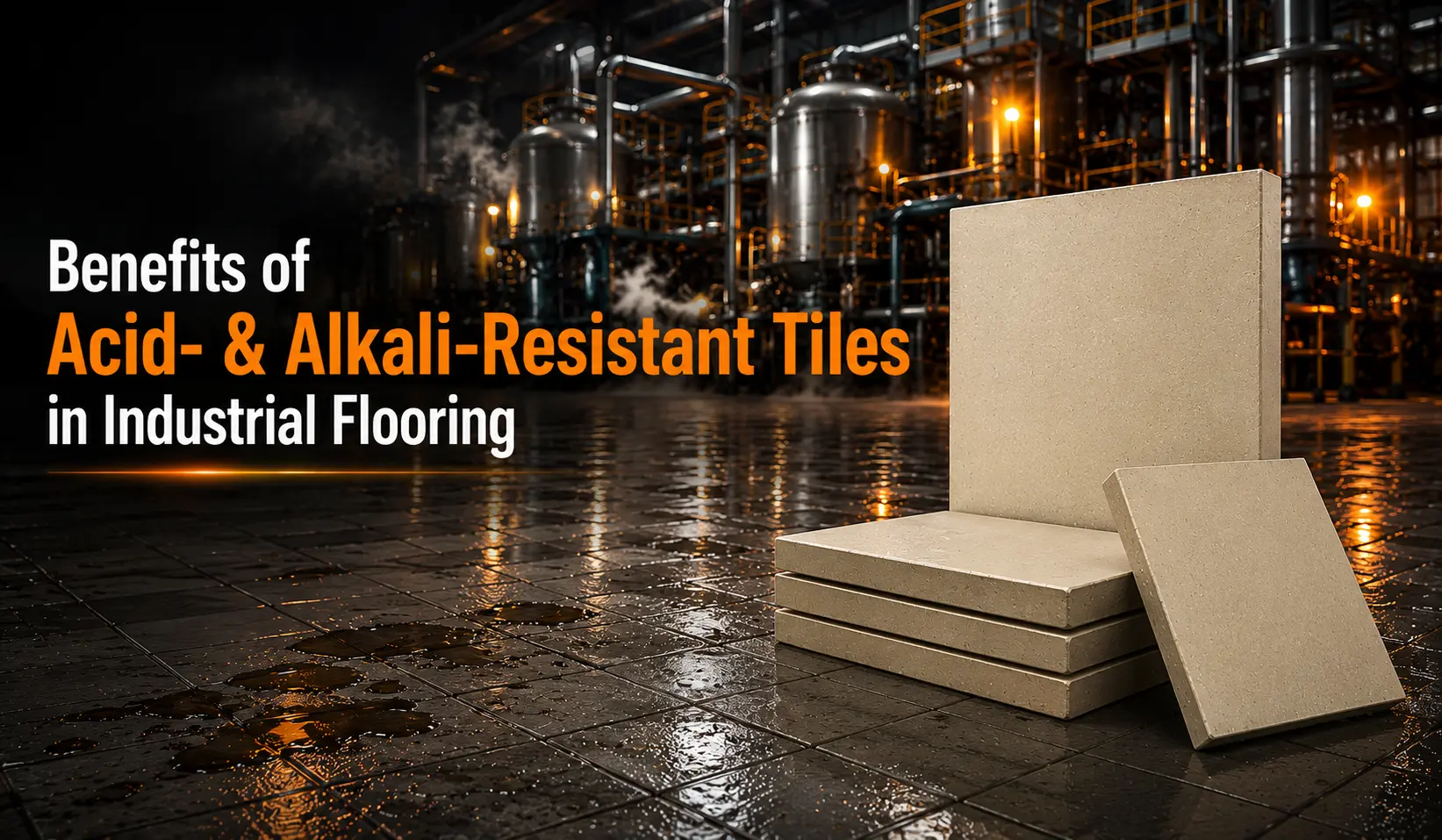
Acid & alkali-resistant tiles are specially manufactured flooring materials designed to resist chemical attack from acids, alkalis, solvents, and other corrosive agents. Unlike standard ceramic or vitrified tiles, these are made using dense, low-porosity materials that don’t absorb liquids or react with harsh chemicals. They’re often installed alongside complementary products like acid-resistant bricks, acid, and acid-resistant mastics to create a complete, chemically stable flooring and lining system.
These acid proof tiles are Refractory Materials because they are strong and don’t react with chemicals. These are products that are made to last in conditions that would quickly break down normal building materials.
Why Acid & Alkali Resistant Tiles Are Important in Industrial Flooring
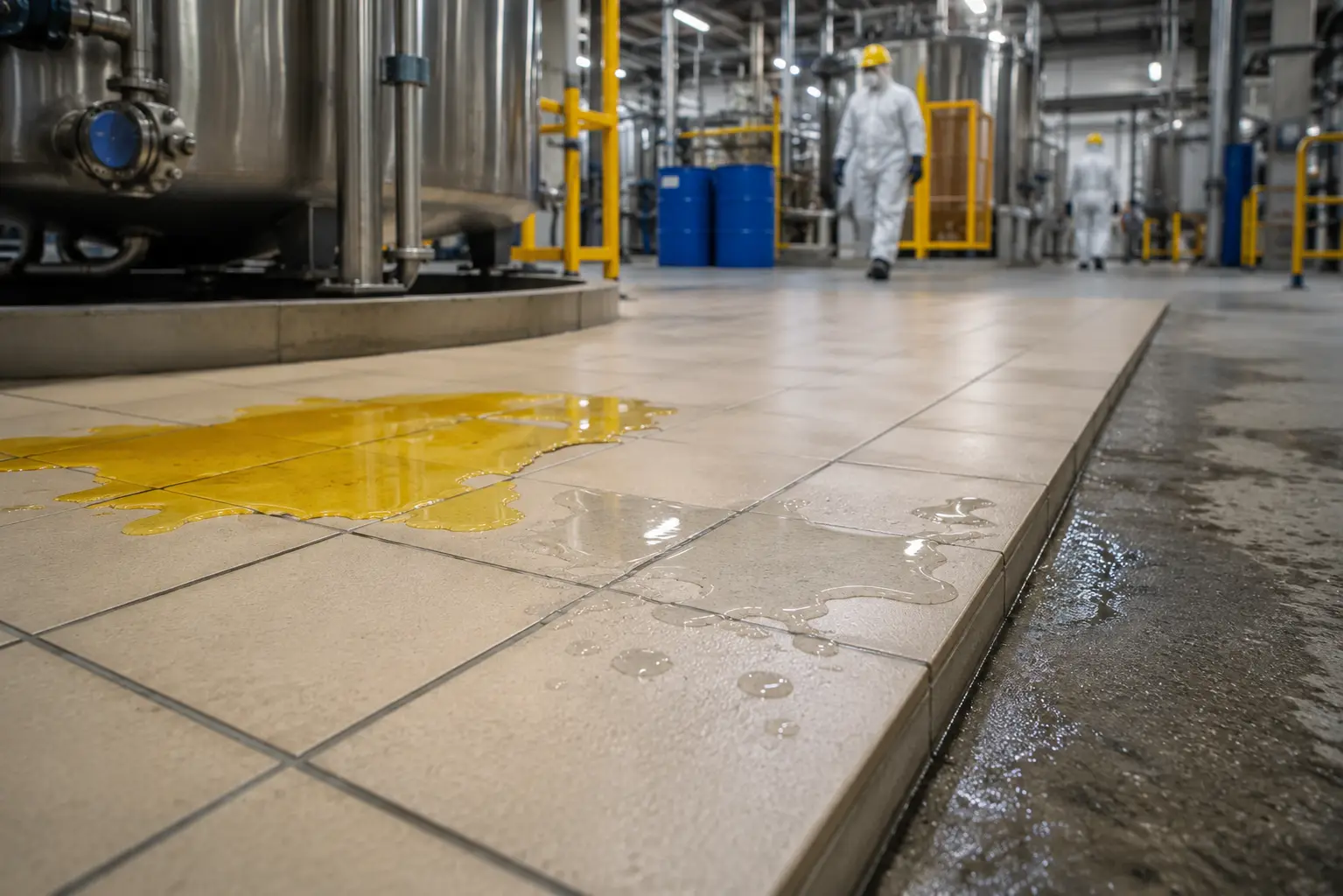
In chemical plants, fertilizer units, dyeing industries, and metal processing facilities, floors are regularly exposed to spills of sulfuric acid, hydrochloric acid, caustic soda, and other aggressive substances. Without proper protection, these chemicals eat into concrete, weaken structural integrity, and create safety hazards like cracks, pitting, and slippery surfaces.
Acid-proof tiles solve this problem by forming a durable, impermeable barrier between the chemicals and the underlying structure. This not only protects the building’s foundation but also significantly reduces maintenance costs and downtime caused by floor repairs.
Industries That Rely on Acid- & Alkali-Resistant Tiles
Several industries depend heavily on industrial acid-resistant flooring to keep operations safe and efficient:
- Chemical manufacturing plants’ constant exposure to acids, alkalis, and solvents.
- Pharmaceutical industries’ need for hygienic, chemical-resistant, and easy-to-clean surfaces.
- Fertilizer plants’ handling of highly corrosive raw materials.
- Textile and dyeing units’ exposure to dyes, bleaches, and processing chemicals.
- Metal processing and electroplating units’ frequent contact with acidic baths.
- Battery manufacturing units’ regular exposure to sulfuric acid and other corrosive compounds.
In all of these areas, chemical plant flooring made of materials that are resistant to acids and bases is not only a choice; it’s a must for following the rules and keeping workers safe.
How Acid Resistant Tiles Differ From Ordinary Tiles
Ordinary tiles are designed primarily for aesthetics and light-duty use in homes or offices. They are porous, prone to chemical staining, and structurally weak against corrosive substances. Industrial acid-resistant flooring, on the other hand, are manufactured with special clays and firing processes that produce a dense, non-porous structure. This gives them:
- Superior resistance to acids, alkalis, and solvents
- High mechanical strength to handle heavy loads and machinery
- Better resistance to abrasion and impact
- Long-term durability even in continuously wet or chemically active environments
This is why corrosion-resistant tiles are always chosen over standard tiles for industrial applications, despite ordinary tiles being cheaper upfront.
Key Benefits of Acid- & Alkali-Resistant Tiles
Here are some of the key benefits of acid- and alkali-resistant tiles that one needs to keep in mind:
Long-Lasting Chemical Protection
These tiles create a strong barrier that prevents acids and alkalis from penetrating and damaging the floor structure underneath, ensuring years of reliable protection.
Enhanced Industrial Safety
Acid-resistant floor tiles that are properly installed lower the risk of slips, structural failures, and chemical exposure. This is an important part of any industrial safety flooring plan.
Reduced Maintenance Costs
Because these tiles resist staining, cracking, and chemical erosion, facilities spend far less on repairs and floor replacement over time.
High Load-Bearing Capacity
As heavy-duty industrial tiles, they comfortably support heavy equipment, forklifts, and constant foot traffic without cracking or wearing down.
Hygienic and Easy to Clean
Their non-porous surface prevents chemical residue and bacteria buildup, making them ideal for pharmaceutical and food-processing environments.
Heat and Corrosion Resistance
Many acid-resistant tiles also offer good heat resistance, making them suitable for areas near furnaces, boilers, or high-temperature processing units.
Cost-Effective Industrial Flooring Solutions
While the initial investment may be higher than standard tiles, the long service life and low maintenance make them one of the most cost-effective industrial flooring solutions available.
Choosing the Right Supplier
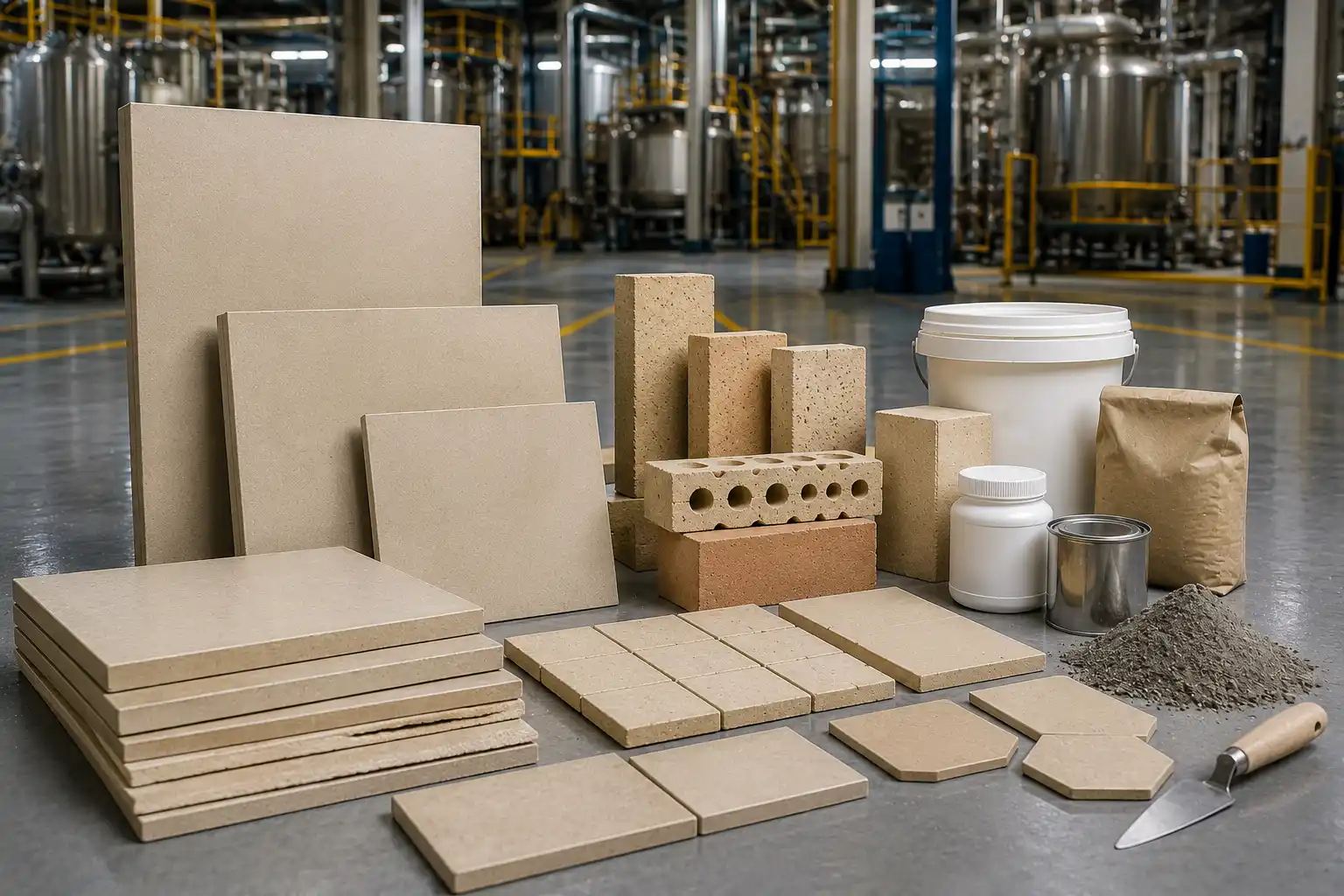
Not all acid-resistant tiles are created equal. The quality of raw refractory flooring materials, the manufacturing process, and installation expertise all determine how well the flooring performs over time. Ganesha’s Refractory has established itself as a trusted name in manufacturing high-performance acid-resistant tiles, acid-resistant bricks, acids, and acid-resistant mastics for industries that cannot afford flooring failure. Their range of industrial chemical-resistant tiles is engineered to meet the toughest operational demands while ensuring long-term safety and durability.
Conclusion
Protecting people, equipment, and infrastructure from daily chemical exposure is another reason why industrial flooring is important. Acid & alkali-resistant tiles offer the strength, safety, and longevity that industries like chemical processing, pharmaceuticals, and metal manufacturing simply cannot operate without. Investing in the right chemical resistant flooring solution today means fewer repairs, safer working conditions, and a stronger foundation for years to come.
Frequently Asked Questions
What are acid- & alkali-resistant tiles?
They are specially engineered flooring tiles made from dense, low-porosity materials designed to resist damage from acids, alkalis, and other corrosive chemicals commonly found in industrial environments.
Why are acid- & alkali-resistant tiles important in industrial flooring?
They protect the underlying floor structure from chemical corrosion, prevent safety hazards like cracking and pitting, and reduce long-term maintenance and repair costs.
Which industries commonly use acid- & alkali-resistant tiles?
Chemical manufacturing, pharmaceuticals, fertilizers, textiles and dyeing, metal processing, electroplating, and battery manufacturing industries rely heavily on these tiles.
How are acid-resistant tiles different from ordinary tiles?
Ordinary tiles are porous and meant for light, aesthetic use, while acid-resistant tiles are dense, non-porous, and built to withstand heavy chemical exposure and mechanical stress.
What are the benefits of using acid- & alkali-resistant tiles?
They offer long-lasting chemical protection, improved industrial safety, reduced maintenance costs, high load-bearing capacity, hygienic surfaces, and overall cost-effective performance.