
Boiler refractory repair is an important element of keeping your Refractory unit in good working order. By maintaining your boiler functioning at optimal efficiency, you assure maximum output and productivity. Maintaining your boiler also helps to avoid costly repairs, including a cracked boiler shell or a breakdown in the piping, which can cause delays and productivity loss.
Boiler refractory difficulties are one of the most common reasons for boiler shutdowns, and they are also the simplest to miss. In this post, we will go over the fundamentals of boiler refractory repair and what to look out for.
What Are Boiler Refractory?
Boiler refractory is a type of heat-resistant substance that is used to line the boiler and aid in heat retention. This reduces the amount of heat lost while the boiler is running. It also aids the boiler in retaining heat while it is not in use.
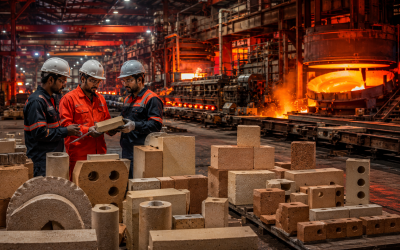
refractory boiler Materials may be composed of a variety of materials, but the most typical ones are brick, tiling, castables, and gunning mixtures.
Role of Boiler Refractory Repair?
Boiler combustion chambers are lined with refractory materials. High-quality refractories provide little heat loss throughout the combustion process, boosting the boiler’s efficiency and performance.
The refractory quality is quite significant. High-quality materials are required to ensure safe boiler operation and to extend the boiler’s life. The use of low-quality refractories might raise the likelihood of prolonged outages and power failure. They can also dramatically degrade boiler safety and increase the likelihood of accidents.
Another significant role of refractories is to keep heat in the boiler while it is not in use. This allows operators to keep the heat going between expulsions, increasing thermal efficiency.
Reasons for Boiler Refractory Failure?
While refractory is robust in nature, it is regarded as consumable. This implies that normal wear and tear will ultimately lead it to fail. This is because a boiler system contains extreme pressures, elevated heat, slag, and poisons.
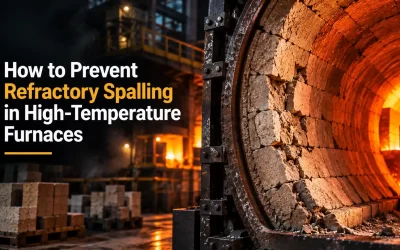
Spall liners are one of the most prevalent reasons for refractory failure, aside from regular rubbing and wearing. This occurs when refractory materials grow and prosper at various rates as a result of heating conditions. This frequently results in refractory cracks that must be repaired.
Lastly, if inappropriate refractory materials are used, the system will finally fail. When this happens, the refractory is frequently unable to deal with any situation or heat and cracks or crumbles.
What Are The Signs of Failure?
Fractured or damaged refractory tiles are common indications that your boiler’s refractory material needs maintenance. Symptoms of boiler leaks, difficulties opening and shutting refractory doors, and broken seal joints could also be present.
Another typical symptom of failure is the emergence of hot patches on the boiler’s casings, burner region, or shell. This occurs when one section of a boiler is warmer than the nearby region.
How To Fix Boiler Refractory Failure?
Before we discuss how to fix refractory cracks, it is vital to understand that not all cracks are problematic. Some cracks are, in case, normal. Normal cracks are minor and seal during the heating phase until reopening during the freezing phase. Thermal opening and closing are to blame for this. A fair guideline is to contact a refractory specialist if the fracture or missing part is greater than a fist.