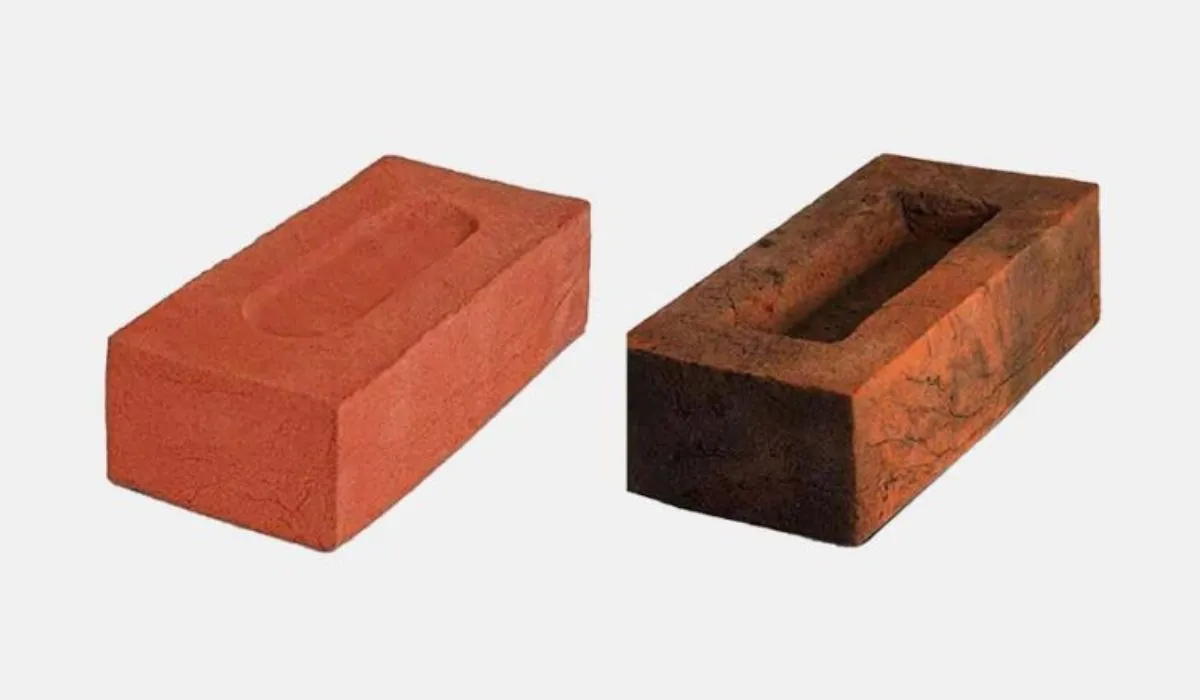
Bricks have stood the test of time as a reliable construction material, offering exceptional benefits. However, all bricks are not the same. When it comes to choosing the right type of brick for your project, it’s crucial to understand the differences between various options.
In this blog, we’ll dive into the difference between two prominent categories of bricks: common bricks (often referred to as red bricks) and fire bricks (one of the common refractory materials). So, to make a well-informed choice among them, read on and get valuable insights into common bricks vs fire bricks.
A Definition of Fire Bricks vs Common Bricks
Fire bricks, also known as refractory bricks, are specially designed to withstand high temperatures and are primarily used in applications where heat resistance is crucial, such as fireplaces, kilns, and furnaces. These bricks are made from special clay and other high-temperature resistant materials, allowing them to maintain their structural integrity in extreme heat conditions.
On the other hand, Common bricks are the conventional type of bricks used in general construction. They are typically made from clay and are known for their strength, durability, and versatility.
In short, While fire bricks are engineered for heat resistance, common bricks serve as the foundation for everyday construction needs. If searching for high-quality fire bricks – get in touch with Ganeshas Refractory. Ganeshas is a leading refractory industry in India, manufacturing refractory materials designed for various industrial applications.
Significant Properties of Fire Bricks vs Common Bricks
The following are the properties of fire bricks and common bricks: Have a look!
Fire Bricks Properties
Heat Resistance: Fire bricks are designed to withstand high temperatures, making them ideal for applications such as fireplaces, ovens, furnaces, and other industrial applications.
Low Thermal Conductivity: These bricks have low thermal conductivity, meaning they are efficient at retaining heat and refractory properties, ensuring minimal heat loss in high-temperature environments.
Chemical Inertness: Fire bricks have excellent resistance to chemical attack, making them suitable for environments where exposure to corrosive substances is a big concern.
Minimal Thermal Expansion: They have low thermal expansion characteristics, which prevent them from cracking or spalling when exposed to instant temperature fluctuations.
Common Bricks Properties
Versatility: Common bricks are highly versatile. These types of bricks are available in a wide range of colours, textures, and sizes to accommodate various project requirements.
Structural Strength: These bricks provide solid structural integrity, making them suitable for load-bearing walls and general construction applications.
Absorption Rate: Common bricks have a controlled absorption rate, that allows them to maintain stability and resist moisture penetration in different environments.
Cost-Effectiveness: They are generally more affordable compared to specialized bricks, making them an ideal choice for standard construction projects.
Common Applications of Fire Bricks vs Common Bricks
The following are the common applications and uses of fire bricks and common bricks.
Main Uses of Fire Bricks
Fireplaces: Fire bricks are commonly used to line fireplaces due to their ability to withstand high temperatures without cracking or crumbling.
Kilns and Furnaces: In industrial settings, fire bricks are used to construct kilns and furnaces for activities such as pottery making, metalworking, glassblowing, etc.
Refractory Repairs: One of the common uses of Fire bricks is they are used in the repair and maintenance of refractory linings in various industrial equipments that demand temperature resistance properties.
Boilers and Incinerators: Fire bricks are used as insulation in high-temperature environments, providing both structural support and thermal resistance in applications such as boilers, incinerators, etc.
Chimney Lining: The durability and resistance to heat make fire bricks suitable for lining chimneys and flues, ensuring a safe and efficient release of gases.
Main Uses of Common Bricks
Load-bearing Walls: Common bricks are frequently used to build load-bearing walls in residential, commercial, and industrial buildings.
Partition Walls: Bricks are also used to construct partition walls within buildings to divide spaces into rooms or sections.
Foundations: Bricks are commonly used to build foundations for buildings. They help to distribute the weight and provide a stable base on which the entire building can rest.
Conclusion
In conclusion, the debate between Fire Bricks and Common Bricks boils down to their specific applications and durability. For all your refractory needs, Ganeshas Refractory stands out as a renowned provider of high-quality Fire Bricks. Their commitment to excellence, durability, and customer satisfaction makes them the ideal choice for projects requiring superior heat-resistant materials.