One of the most popularly used refractory materials, insulating castable is important in industrial sectors where high temperature resistance is the main concern. However, finding one for your industrial application necessitates a thorough understanding of insulating castables. Hence, in order to help you learn better about the insulating castable types, benefits, purchasing tips, we have done the precise research and wrote an detailed article. So, without further ado, let’s go through it.
Insulating Castable:
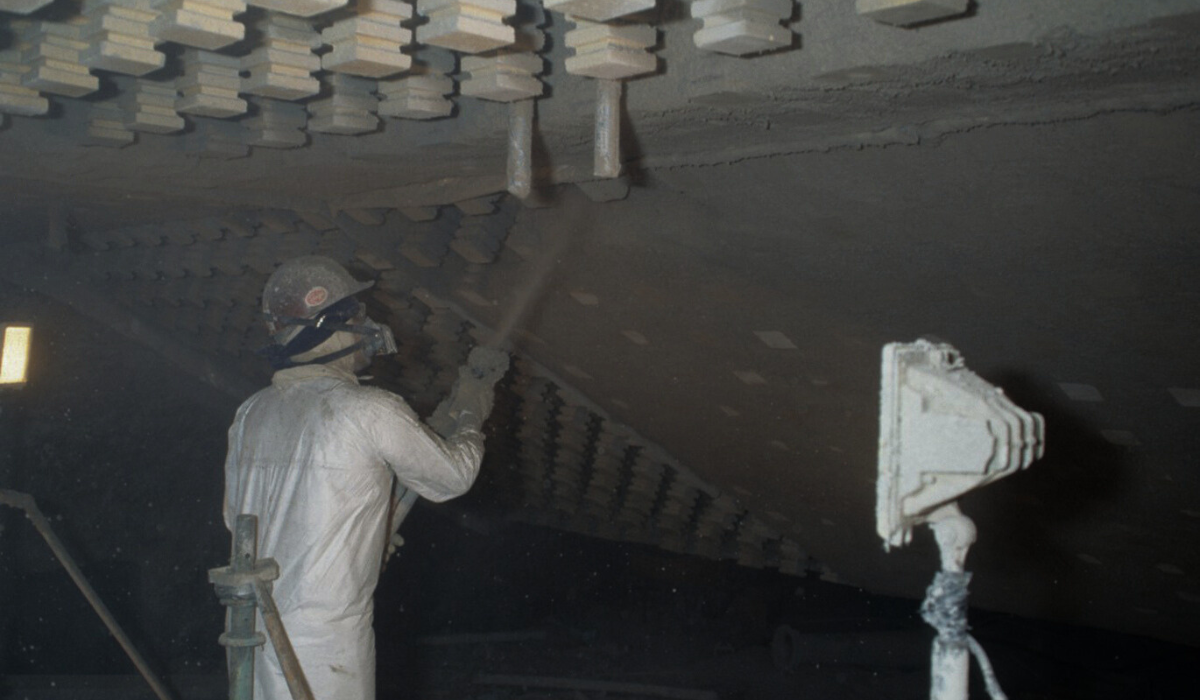
To begin, there are two types of main refractory castables based on porosity: dense castable and insulating castable. However, we are discussing insulating castables here.. Insulating castables are designed to provide thermal insulation in high-temperature applications. They have a low thermal conductivity and can withstand temperatures of up to 1800 degrees Celsius. These castables have been made with insulating vermiculite, perlite, extend-spheres, bubble alumina, expanded clay, lightweight aggregates and unique binders.
Types of Insulating Castables?
There are several types of insulating castables are available in the market that help you find the right one- have a look!
Low Cement Insulating Castables: Due to their lower thermal conductivity and lower cement content, these castables have better insulating qualities. They are more resistant to thermal shock and have higher strength and durability.
Ultra-Low Cement Insulating Castables: On other hand, ultra-low cement insulating castables have even lower cement content than low cement castables. They are designed to provide excellent insulating properties, high strength, and resistance to thermal shock and abrasion.
Lightweight Insulating Castables: The lightweight insulating castables are made of lightweight aggregates such as expanded clay, vermiculite, perlite, or pumice. They are widely known for low density and good insulating properties, which makes them ideal for using in backup insulation behind refractory linings.
Porous Insulating Castables: These castables are made with specially designed pore-forming additives that create a network of interconnected pores in the castable structure. They offer excellent insulating properties while maintaining good strength and thermal shock resistance.
Advantages & Disadvantages of Insulating Castable?
As you may now have a basic understanding of insulating castable types, you should must note down that every insulating castable have their own advantages and disadvantages. Below we have listed out the benefits and drawbacks of insulating castable generally. Check out.
Insulating Castable Advantages
Thermal Insulation: Insulating castables have excellent thermal insulation qualities, lowering energy loss and limiting heat transfer in high-temperature applications.
Lightweight: Insulating castables are lower in weight due to the use of lightweight aggregates in their formulation. This quality makes installation simpler and lowers structural loads.
Reduced Heat Soak: Castables’ insulating qualities contribute to a reduction in heat soak, enabling more rapid heating and cooling cycles in furnaces and kilns.
Thermal Shock Resistance: Insulating castables are made up of additives and fibers to increase their thermal shock resilience, reducing the likelihood of cracking or spalling during abrupt temperature changes.
Insulating Castable Disadvantages
Lower Mechanical Strength: Insulating castables often have a lesser mechanical strength than traditional refractory castables. Due of this restriction, they are inappropriate for heavy-duty applications or places that experience significant mechanical stress.
Limited Chemical Resistance: Compared to specialized refractories made for demanding chemical conditions, some insulating castables may be less resistant to chemical attack. They might not be appropriate for applications that come in contact with corrosive gases or chemicals.
Higher Porosity:When compared to dense refractory materials, insulating castables often have a higher porosity. It can reduce its strength making them less durable than other castables.
How to Buy Right Insulating Castable?
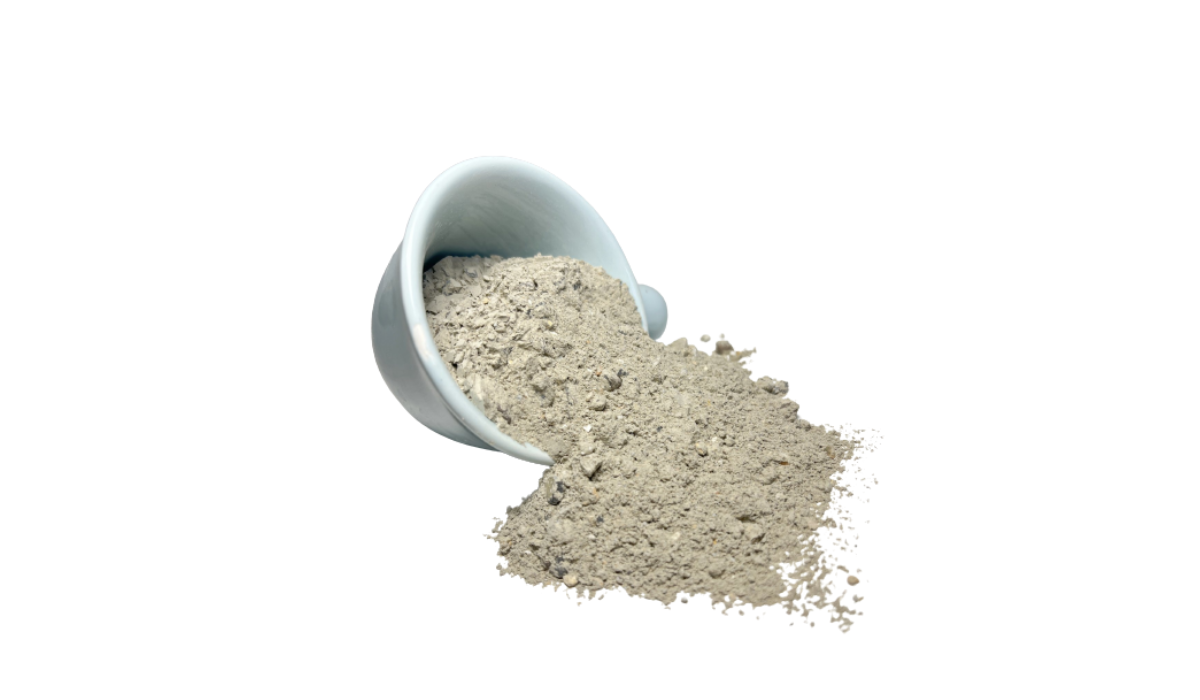 As you may aware of the types of insulating castables and their advantages/disadvantages finding one can still be challenging. Hence, here we have mentioned the qualities of good insulating castable that help you buy right insulating castable that meet an industrial application needs.
- A good heat insulation material will have low thermal conductivity.
- To make sure it is appropriate for your application, consider the temperature rating.
- For ease of installation and a lower structural load, check the density and weight.
- Determine compressive strength to withstand mechanical loads.
- Check for chemical compatibility with the application environment.
- Consider the method of application (casting, gunning, etc.) for suitability.
- Purchase from reputable suppliers with technical support.
Conclusions:
Whether you are looking for insulating castable, or other types of refractory castables, Ganesha – a leading refractory industry have years of experience in delivering high quality refractory materials. Get in touch with out team for further product queries. Our team will be glad to assist you find the right material for your applications.
Introducing the world’s first hybrid loop: EcoButton Flex! Experience the best of both loops fixed and adjustable loop button while improving the precision and reduces the likelihood of fixation failures. Get in touch with our team for further product details and discover why ecoButton Flex is the ideal choice for versatility and style.