When it comes to withstanding high temperatures in a variety of industrial applications, refractory mortar stands as a crucial material. From the construction of high-temperature kilns and furnaces used in steel, non-ferrous metal, and petrochemical industries to the laying and repair of mullite bricks, the importance of high-temperature resistance refractory mortar cannot be overstated. But what exactly makes this material so essential for these high-temperature applications? In this comprehensive guide, we will delve into the significance and the intricate process of making high-temperature resistance refractory mortar. So, without further delay, let’s delve in!
What is a High Temperature Mortar?
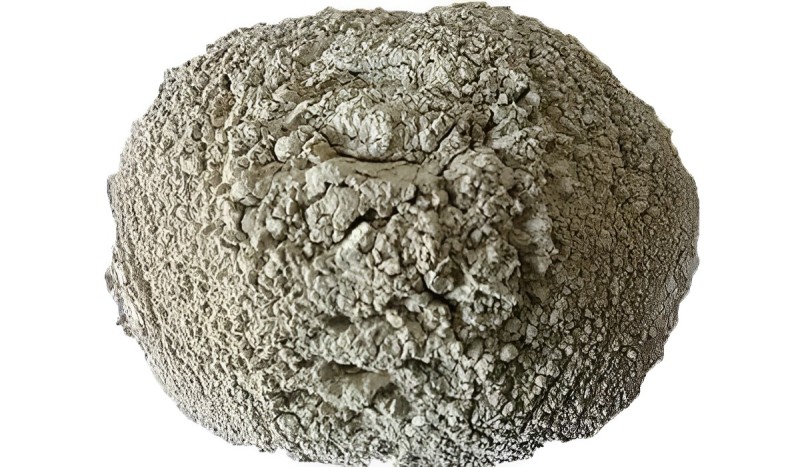
Refractory mortar is also known as fireclay mortar, high-temperature-resistant mortar, or heat-resistant mortar. It is a specifically formulated refractory material that is designed to withstand high temperatures up to 1600°c ideal for applications that demand extreme heat. Following ASTM C-199, mortars can be classified as refractory or heat resistant.
Moreover, As a leading refractory manufacturer in India, Ganeshas manufactures and supplies various types of refractory mortars, such as high-alumina refractory mortars, fire clay refractory mortars, silica refractory mortars, etc.
How to Make High Temperature Mortar?
To make refractory mortar, you will need to mix cement, sand, and water, followed by adding chemical additives to improve its bonding strength and thermal stability. These additives include fly ash, slag, and feldspar. It is essential to carefully measure out the ingredients and mix them thoroughly to achieve the desired consistency.
When you mix fireclay with Portland cement, sand, and lime, you create a product that is more heat-resistant than regular mortar. Measure your ingredients by volume (use a bucket or shovel to measure), and mix only the amount you will use within an hour.
High Temperature Mortar Mix Formula = Fire brick grog + high calcium aluminate cement + lime, + water is a commonly used formula for making heat-resistant mortars.
Factors to Consider When Making High Temperature Mortar:
- Select high-quality materials with appropriate heat resistance, mechanical strength, and chemical stability.
- Experiment with different ratios to achieve the desired results.
- Look into various binder options to create an incredible cohesive mix.
- Run a thorough testing program to ensure safe and efficient performance.
- To guarantee that refractory mortar satisfies industry standards and legal requirements for applications, implement quality control procedures.
What are the Benefits of High Temperature Mortar?
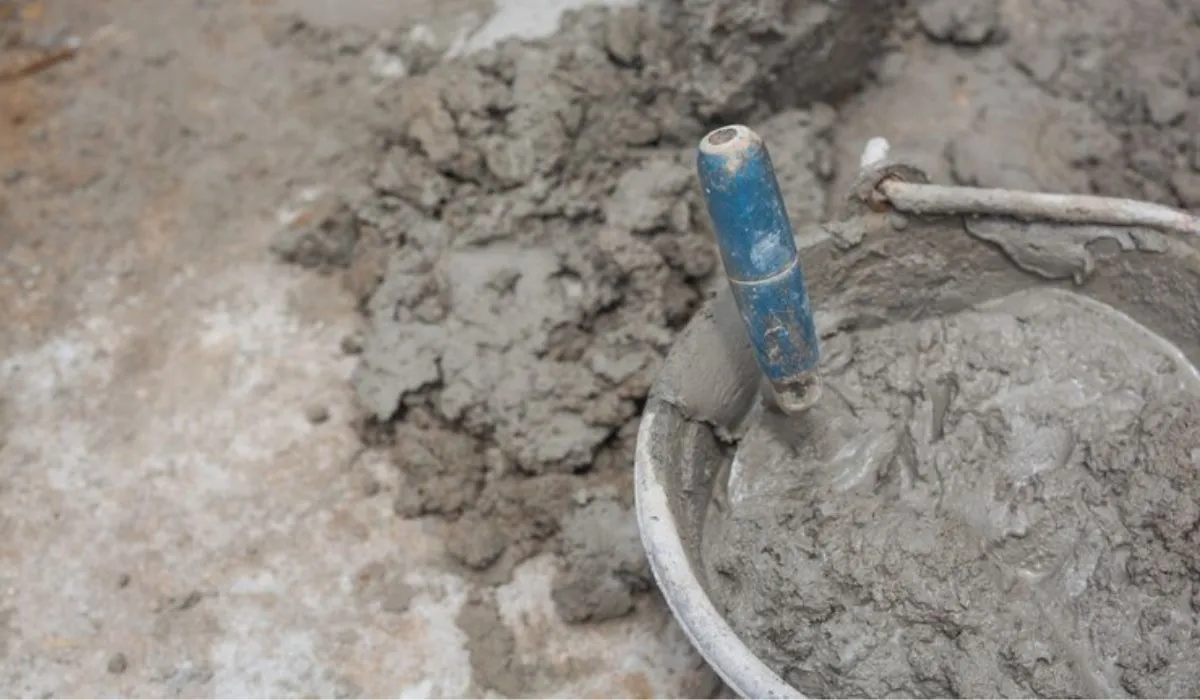
The following are the impressive benefits of Refractory mortar – have a quick look!
- High-temperature resistance
- Outstanding adherence
- Thermal and shock resistance
- Robust strength
- Good chemical stability
- Time and money-saving solution
- Repair and Maintenance cost reduction
- Ideal for high-temperature applications – furnaces, ovens, kilns etc.
How to Buy the High Temperature Mortar for Your Application?
However, there are several types of mortar available in the market, a regular mortar is a type of concrete mixture used to fill cracks or join surfaces and is composed of cement, sand, and water to make a good mortar mix. On the other side, refractory mortar can withstand temperatures of up to 1600°c suitable for jointing, coating, and patching in all high-temperature applications. To make a wise decision while choosing refractory mortar, make sure to understand your application needs and discuss your needs with an expert.
Bottom Line
In the bottom line; please note that creating refractory or high temperature mortar requires precise measurements and careful adherence to mixing instructions. Different applications may also require specific variations in the mortar’s composition, so it’s important to tailor the recipe to your specific needs and intended use.
On top of that, if making the refractory mortar process is a tricky task for you, then you can get ready-to-use refractory mortar for your applications. Ganeshas, a leading refractory industry in India, has years of experience in providing quality and tailored refractory solutions to a spectrum of industrial sectors. Whether you require refractory mortar, refractory castable, firebricks, or other widely used refractory materials – our team is here to assist you in finding the best for efficient project outcomes.