
Clearly, India has a lot to gain when it comes to refractory materials. There are various industries that rely on refractory materials for support, from glass to pharmaceuticals, steel to oil refineries, metals to thermal power stations, and cement to construction. Hence, for now, we’ve done an in-depth search on why the cement industry and construction industry is dependent on refractory construction and building materials, so without wasting a moment; delve into it.
Refractory Material & Raw Material for Cement Industry
Refractory materials are widely used in industrial sectors, no matter it is for the steel industry, glass industry, dairy industry, or cement and construction industry, refractory materials never fail to give 100% contribution to industrial sectors. Furthermore, Refractory construction and building materials are the backbone of the cement and construction industries. As it has tensile strength it can survive high temperatures easily; resulting in an ideal solution for such industries.
Types of Refractory Materials in Cement Industry
As a leading refractory material manufacturer in India, Ganeshas offer a wide range of refractory materials for the cement industry. In addition, to meet the specific needs of cement manufacturers the following types of refractory materials can make their process smoother & efficient.
High Alumina Bricks
High alumina bricks are one of the effective refractory materials used in the cement industry. Several types of high alumina bricks are designed specifically for cement kilns because of their strength and low cost, including wear-resistant bricks, anti-stripping alumina bricks, and general alumina bricks.
Alkaline Bricks
Alkaline bricks are one of the main types of refractory materials in the cement industry; majorly employed for cement kilns and rotary kilns. As a result of outstanding chemical resistance properties, the Alkaline bricks series keeps standard product quality and low-term safe operation.
Fire Clay Bricks
Fire clay bricks or refractory bricks are the best-selling refractory materials for the cement industry. As per their alumina content, such bricks are labelled as high duty, superior duty and semi-silica. The main purpose of using fire clay bricks in the cement industry are kilns, fireboxes, line furnaces and so on.
Refractory Cement
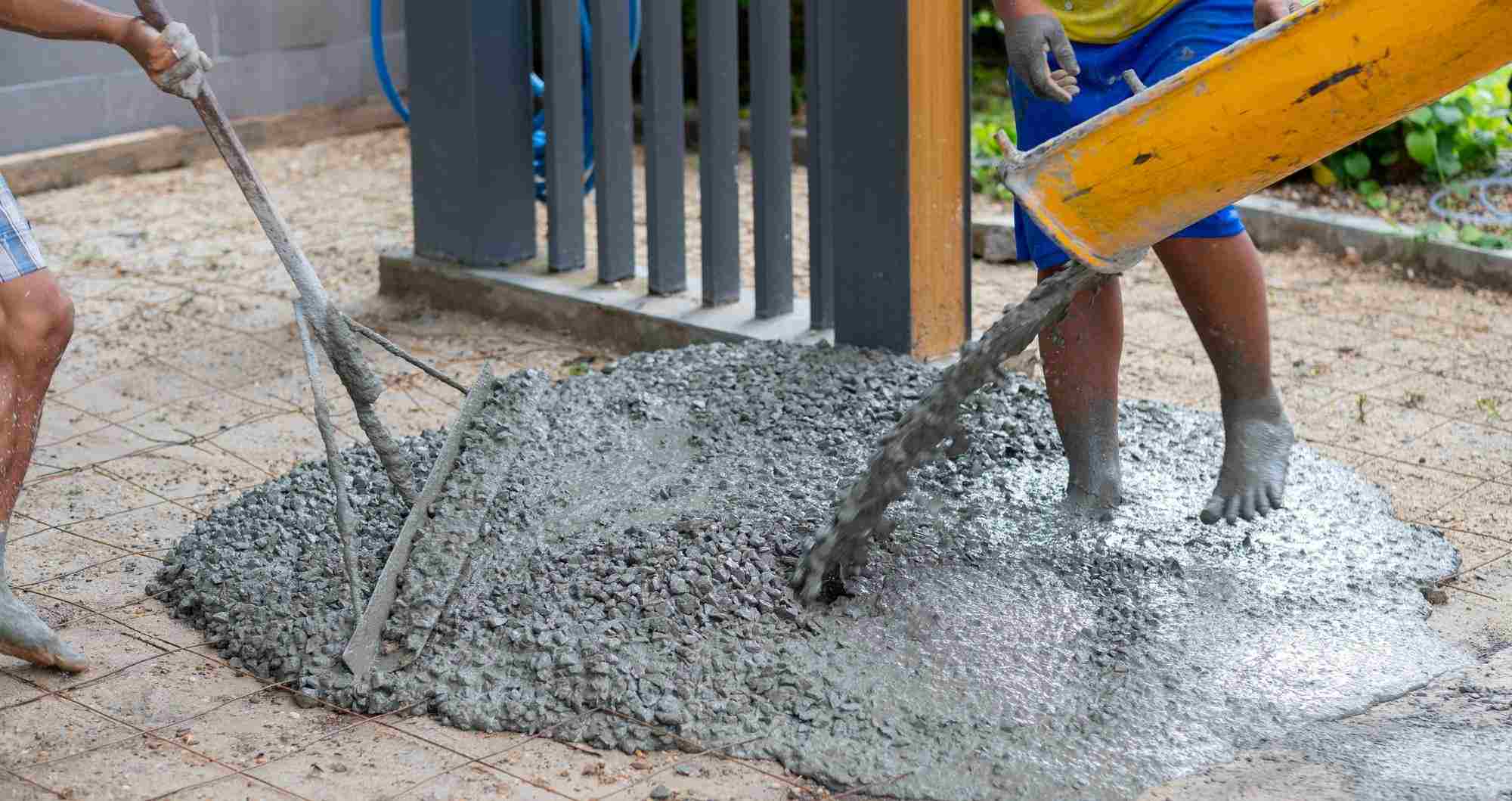
Refractory cement is among the widely used refractory construction and building materials. Refractory cement is ideal for lining furnaces, cement kilns, rotary kilns as well as other high-temperature refractories. In addition to its good-strength & cost-saving refractory solution for the cement industry, such materials can withstand high temperatures upto 3000° F.
Refractory Castables
Refractory castables are majorly used for cement kiln systems due to their convenience and flexible features. Further, it is one of the common refractory materials for the cement industry. Whether it’s about fixing the complex structure of the cement kiln preheater system or other factory systems. Low refractory castables will never fail to meet cement manufacturing industry demands.
Uses of Refractory Material in Cement Industry
Refractory Materials are not just an easy-to-acquire and cost-effective solution for the cement industry but such refractory construction and building materials present countless benefits; playing a significant role. Therefore, here we’ve dropped some common uses of refractory material in cement industry.
– High-temperature Furnaces
– Cement Kilns and Rotary Kilns
– Cement Plant
– Roads & Highways
– Preheater Systems
– Other Industrial Purposes
Benefits of Refractory Materials for Cement Industry
As proof that refractory materials play a significant role in cement manufacturing, we list the benefits of refractory materials; Discover all its perks.
Cheaper Repair and Maintenance
Using refractory material in the cement industry, needs no expensive repair or maintenance service, resulting in cost-saving refractory solutions for cement and construction industrial sectors. Additionally, such refractory materials can help to reduce the project repair cost by ensuring efficient processes and outcomes.
Reduce Labour Costs
In addition to reducing their carbon footprint, cement manufacturers can save money by adopting the latest refractory technologies, reducing labour costs, avoiding downtime, and factory shutdowns while delivering superior performance that can last up to 50 years.
No Longer Refractory Material Failure
There are several types of refractory materials for the cement industry that are now available in the market. However, refractory materials like refractory castables, fire clay bricks, acid proof bricks are widely used in cement/construction industries. In addition to its proven properties including reduction demands of maintenance, such materials are very less prone to failure process
Withstand High Temperature
Refractory construction and building materials like refractory cement for the cement industry come with an unbreakable ability which withstands high temperatures upto 7000° F. Due to its high tensile strength, it possesses less shrinkage than any other typical cement.
Refractory Service for Cement Industry
Now that we know the significance of refractory materials in cement and construction, make sure to choose suitable materials that meet your demands. In addition to finding the right refractory construction and building material, don’t miss out on high-quality refractory materials at good deals; Visit Ganesha- The leading manufacturer of refractory materials in India & find the best refractory service today.