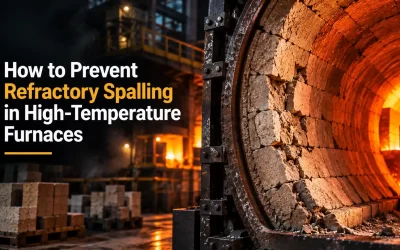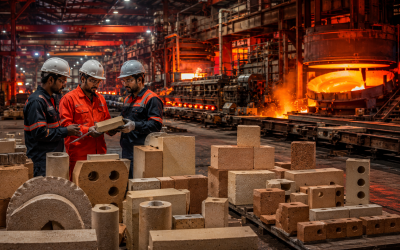

Keeping this in mind, a competent refractory installation keeps your firm operational for a longer period of time. A plant manager must have the proper abilities for a successful refractory project, whether it is a new refractory project or refractory maintenance.
What are Refractory Services?
Materials used in refractory projects or refractory services are capable of withstanding extreme heat, pressure, or chemical damage. Thus, refractory installations can withstand harsh environments and maintain their structure and strength. Heat-intensive applications such as incinerators, furnaces, kilns, and reactors typically require refractory products.
How to Become a Good Plant Manager?
Plant managers are responsible for many things. The number of things on your mind will make it harder for you to concentrate. To ensure a successful installation of your refractory, you should call a company that specializes in refractory engineering. In order to be successful in managing construction or repairs, plant managers should make sure to familiarize themselves with these refractory tips.
Chemical Properties of Refractory:
In general, there is a wide range of refractory materials for different applications. Due to the fact that there is no one-size-fits-all refractory material, the choice of refractory materials will be determined by the application.
Basic Refractory Project: The term “basic refractory” refers to refractory materials that are stable against acids but are reactive with alkalis. In addition to magnesite, dolomite and magnesia-chrome are also commonly used in this type of refractory service.
Neutral Refractory Project: Acid and alkali-resistant refractory products are refractory products that can withstand both alkali and acid chemical attacks at high temperatures. Typically, it consists of minerals such as carbon, alumina, and chromium oxide.
Acidic Refractory Project: In contrast to acidic refractory materials, acidic refractory materials are not affected when exposed to excessive heat. Furthermore, brick refractory materials commonly use alumina, silica, and ceramic as refractory materials.
Common Causes of Refractory Failure:
Although refractory castables are designed to withstand high temperatures, there are other threats that may present themselves. Therefore, materials such as high-alumina cement, fire clay bricks, and insulation bricks are also required to resist chemicals. Due to chemical reactions between the refractory application and byproducts, failure is possible when heat is applied.
Cracks in Refractory Lining:
Following refractory work completion, there is the possibility of small cracks developing in the refractory lining. For this reason, you should hire an experienced refractory bricklayer who offers inspections and repairs as part of their refractory services. By doing this, any released heat can be avoided, which could damage the chemical process and insulating fiber.
Refractory Materials Installation:
The successful installation of refractory by a team of trained workers must be the key to a successful refractory. The following steps are generally included in complete refractory construction:
Step 1: Installation
Step 2: Curing
Step 3: Temperature Control
Step 4: Water removal
Step 5: Drying out
Nevertheless, the right materials and expertise are needed to follow the correct steps. Make sure you consult a reliable refractory engineer to complete the project.
One-Stop Solution!!
Our refractory team at Ganeshas is comprised of expert craftsmen and engineers with decades of experience. In addition to providing turnkey refractory solutions, we can also deliver custom solutions.
Range of Refractory Materials & Products:
- Castables
- Bricks
- Mortars
- Ceramic Fiber Blanket & Rope
- Refractory Anchors
- Patching Materials
- Silica
- Blocks, Anchors, and More