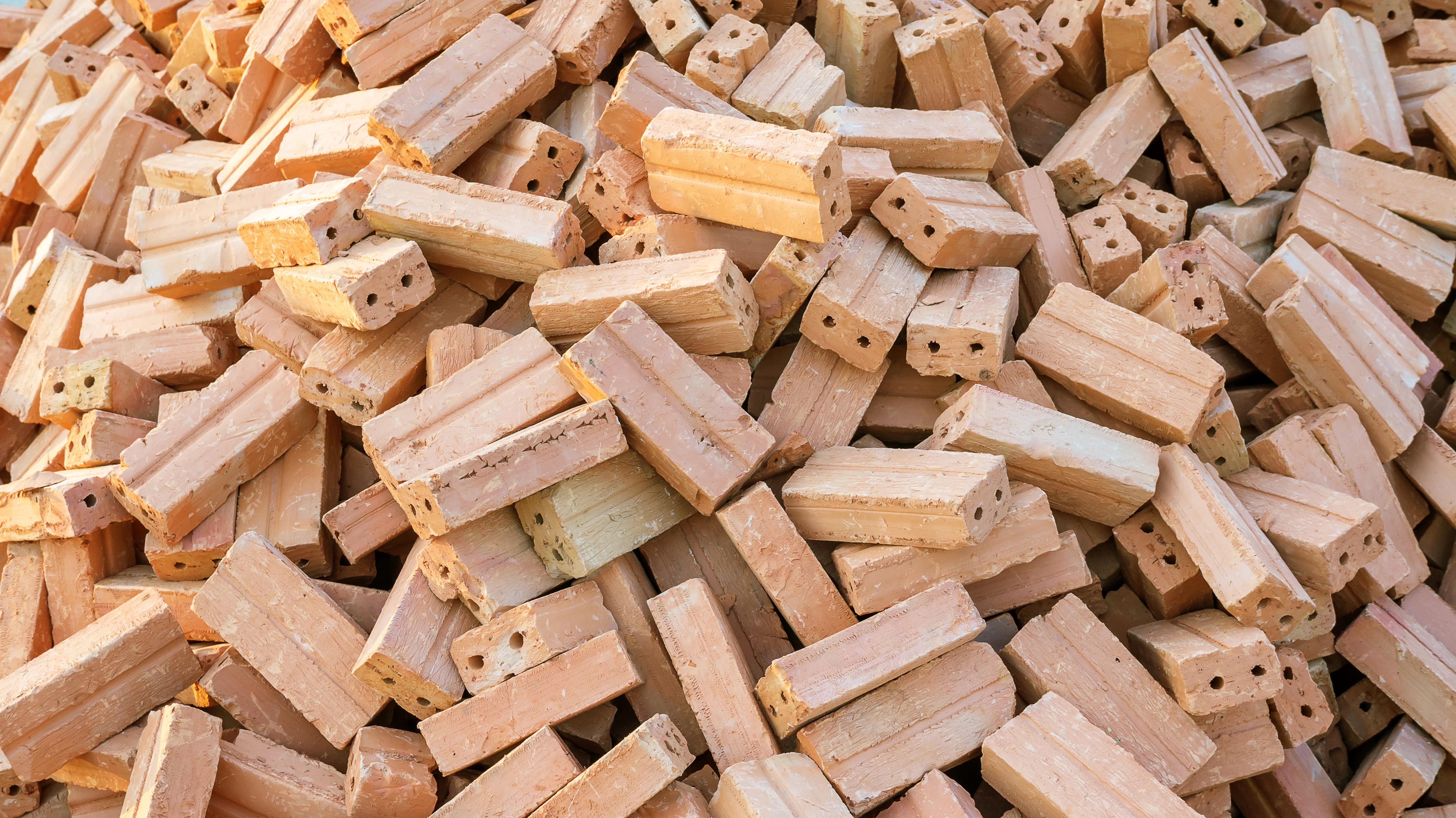
Fire bricks, also known as refractory bricks, play a crucial role in high-temperature environments. From wood stoves and fireplaces to industrial kilns and furnaces, these bricks are specially designed to handle extreme heat without cracking or crumbling. But, like any material, they have a lifespan. The question is: how long do fire bricks last?
Understanding their longevity requires diving into their composition, the conditions they endure, and the maintenance they require. In this article, we will take a closer look at fire bricks’ durability and what influences their lifespan.
What Are Firebricks Made Of?
The exceptional heat resistance of fire bricks comes from their unique composition. Unlike ordinary common bricks, which are made from clay and sand, they are crafted from materials designed to withstand high temperatures and thermal stress.
Key Components of Fire Bricks
- Alumina: This material provides strength and enhances the brick’s resistance to heat and wear.
- Silica: Known for its high melting point, silica adds thermal stability to refractory bricks.
- Kaolin Clay: A critical binder, kaolin ensures the structural integrity of the brick, even under intense heat.
These components are combined to create a dense, durable material that not only resists high temperatures but also minimizes heat transfer. This is why heat-resistant bricks are the go-to choice for fireplaces, stoves, and industrial applications.
Factors That Affect the Lifespan of Fire Bricks
The lifespan of fire bricks isn’t fixed. Several factors can influence how long they last, making it essential to consider their application and environment. Here’s what impacts their durability.
- Thermal Cycling
Repeated heating and cooling cycles, especially in fireplaces or wood stoves, put stress on fire bricks. Over time, this stress can lead to cracks, weakening the brick and shortening its lifespan.
- Type of Heat Exposure
Intermittent Heat: Fireplaces and ovens, which are used occasionally, exert less wear on fire bricks than industrial kilns running continuously.
Continuous Heat: Industrial applications expose refractory bricks to prolonged, intense heat, which may reduce their lifespan compared to home-use scenarios.
- Mechanical Stress
Handling fire bricks roughly or using tools that scrape or chip the surface can lead to premature damage. Even minor abrasions can weaken their structural integrity.
- Moisture and Chemicals
Moisture can seep into cracks and expand during thermal cycles, causing further damage. Exposure to corrosive chemicals in industrial environments can also degrade refractory bricks over time.
How Long Do Fire Bricks Last in Different Settings?
In home fireplaces, pizza ovens, or wood stoves, they can last anywhere from 5 to 10 years with proper care. This lifespan can vary based on how frequently the appliance is used and how well the bricks are maintained.
In high-intensity settings like kilns or furnaces, the lifespan of refractory bricks depends on operational demands. These bricks may need replacement every 1 to 5 years depending on factors like heat exposure, chemical interactions, and mechanical wear.
How to Identify Worn-Out Fire Bricks
Recognizing the signs of wear and tear is essential for ensuring your appliances remain efficient and safe. Here’s what to look for:
- Cracks and Chips: Visible cracks weaken the brick’s structure and may lead to further damage if left unattended.
- Crumbling Edges: This often occurs due to prolonged exposure to high temperatures.
- Reduced Heat Efficiency: If your fireplace or stove isn’t heating as effectively, worn-out heat-resistant bricks could be the cause.
If you notice any of these signs, it’s time to consider replacing your fire bricks. Neglecting this can compromise the efficiency and safety of your appliance.
Fire Brick vs Common Bricks: Why the Difference Matters
It is important to understand how fire brick vs common bricks differ to appreciate their specific roles.
Common Bricks: These are made primarily of clay and sand, designed for structural purposes like building walls. However, they cannot withstand high temperatures and will crack or degrade when exposed to intense heat.
Fire Bricks: Engineered with materials like alumina and silica, these bricks are designed specifically for high-temperature environments, offering exceptional thermal resistance and durability.
The Role of Quality in Fire Brick Longevity
The quality of the fire bricks you choose plays a significant role in their durability. High-quality refractory bricks, like those offered by Ganeshas, are designed to handle high temperatures and resist wear, ensuring a longer lifespan. Investing in superior materials can save you time and money in the long run.
Conclusion
How long do fire bricks last? The answer depends on factors like quality, usage, and maintenance. On average, fire bricks in domestic settings can last up to 10 years, while industrial applications may require more frequent replacements.
Understanding what firebricks are made of, their differences from common bricks, and how to care for them is essential to maximizing their lifespan. By following the tips outlined above and investing in high-quality refractory bricks, you can ensure that your fireplaces, stoves, or kilns operate efficiently for years to come.