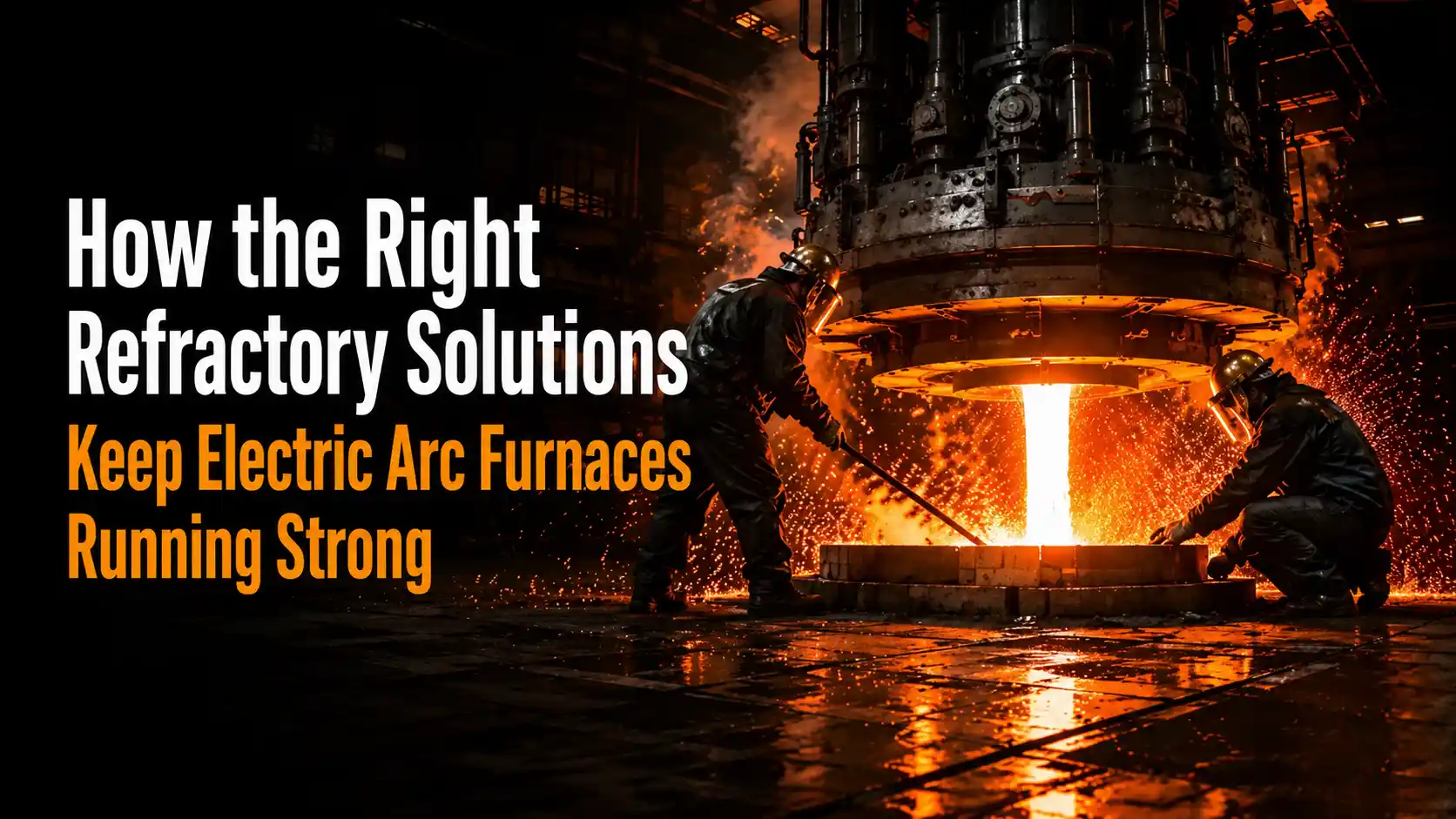
Electric Arc Furnaces (EAF) are the backbone of modern steel manufacturing, melting scrap steel at extreme temperatures using powerful electric arcs. Due to intense heat, chemical slag attack, and thermal cycling, the furnace lining is stressed by this efficiency. Without dependable Electric Arc Furnace Refractories, even the most advanced EAF setup can suffer premature wear, unplanned shutdowns, and costly production losses.
This is where Ganesha’s Refractory steps in, offering refractory materials engineered specifically to survive and perform under the harshest conditions of steel melting.
Key Takeaways
- Electric Arc Furnace Refractories protect the furnace shell from extreme heat, chemical slag attack, and mechanical wear during steel melting.
- A combination of refractory bricks, high alumina bricks, and refractory castables is typically used, with each material suited to a specific furnace zone.
- Material selection should be based on furnace zone, temperature exposure, slag chemistry, and tap cycle frequency, not generic specs.
- Refractory castables offer flexibility and faster installation, while refractory bricks provide stronger structural support; most EAFs use both.
- Watch for cracking, hot spots, rising energy consumption, and thinning lining thickness as early signs a reline is needed.
- Regular inspections are more important than a schedule because replacement frequency depends on usage intensity and material quality.
What Are Refractory Solutions for Electric Arc Furnaces?
Refractory solutions are heat-resistant materials used to line the internal structure of an EAF, protecting the outer shell from extreme temperatures, molten metal, and corrosive slag. These materials form a protective barrier that keeps the furnace structurally sound while allowing it to operate at temperatures that can exceed 1,600°C.
Well-designed Furnace Refractory Linings resist heat, maintain furnace efficiency, reduce energy loss, and extend equipment life. For steel plants, this means fewer maintenance shutdowns and more consistent output.
Refractory Materials Commonly Used in Electric Arc Furnaces
Different zones of an Electric Arc Furnace (EAF) experience different types of stress, which is why a combination of materials is typically used:
- Refractory Fire Bricks: Used in furnace walls and roofs, these bricks provide excellent thermal stability and structural strength.
- High Alumina Bricks: Ideal for slag-contact zones, high alumina bricks resist chemical erosion and mechanical wear far better than standard bricks.
- Refractory Castables: A form of Monolithic Refractories, castables are poured or gunned into place, making them perfect for hearths, tap holes, and irregular furnace sections that are difficult to line with bricks.
- Ramming Mass: Commonly used in the furnace bottom, offering a dense, seamless lining that withstands molten metal contact.
Together, these refractory bricks and monolithic products form a complete lining system tailored to the unique demands of each furnace zone.
Why Are Refractory Materials Important in Electric Arc Furnaces?
Importance Of Refractory Materials in an EAF cannot be overstated. Here’s why they matter:
- Thermal Protection: They shield the refractories furnace shell from extreme internal temperatures, preventing structural damage.
- Chemical Resistance: Molten slag is highly reactive; quality refractories resist this chemical attack, preserving lining integrity.
- Mechanical Durability: Scrap charging causes impact and abrasion. Refractories absorb this stress so the furnace structure doesn’t.
- Operational Efficiency: A stable lining supports consistent melting cycles, reducing energy waste and improving output quality.
- Safety: Compromised linings can lead to breakouts or structural failure. Reliable Refractory Lining Solutions protect both equipment and personnel.
Steel Plant Refractories are essential to furnace performance and safety, not just maintenance.
How to Choose Refractory Materials for Electric Arc Furnaces
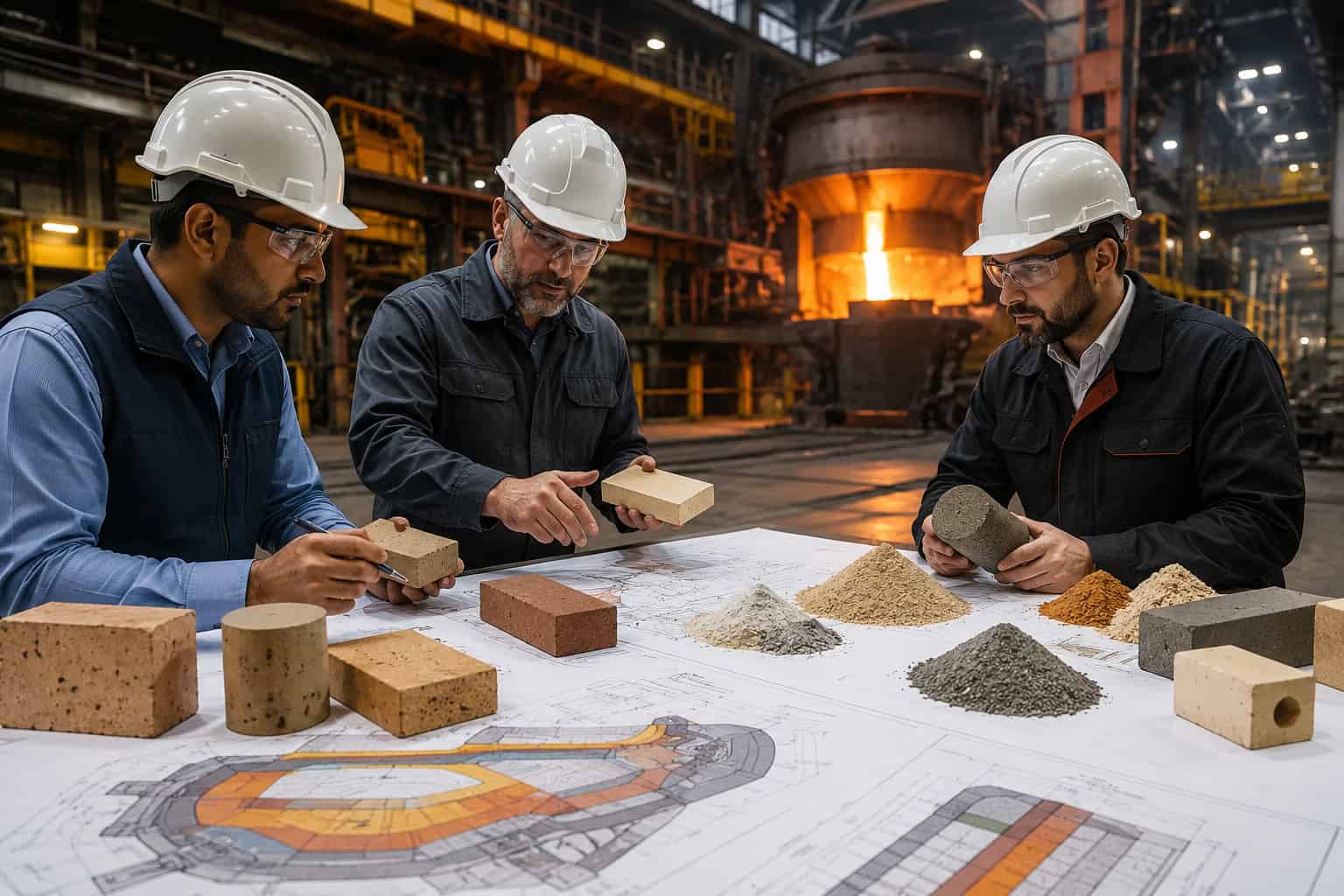
Selecting the right Industrial Furnace Refractories depends on several factors:
- Furnace zone: Hearths, sidewalls, and roofs each require different material properties.
- Temperature exposure: Higher heat zones need materials with superior thermal shock resistance.
- Slag composition: Basic or acidic slag chemistry influences which refractory grade will perform best.
- Furnace capacity and cycle frequency: High-output furnaces with frequent tap cycles need more durable, wear-resistant linings.
Consulting with an experienced refractory material manufacturer like Ganesha’s Refractory ensures the material selection matches your furnace’s actual operating conditions, not just generic specifications.
Refractory Castable vs Refractory Bricks for Furnace: Which Is Better?
This is a common question among plant engineers, and the honest answer is: it depends on the application.
- Refractory Bricks for steel industry offer excellent structural strength and are ideal for permanent lining sections like walls and roofs.
- Refractory Castables offer flexibility, faster installation, and are better suited for complex shapes, repairs, and hearth areas.
Most modern EAFs use bricks for structural zones and castables for high-stress or irregular areas to maximize durability and minimize downtime.
Signs Your Industry Furnace Needs a Refractory Replacement
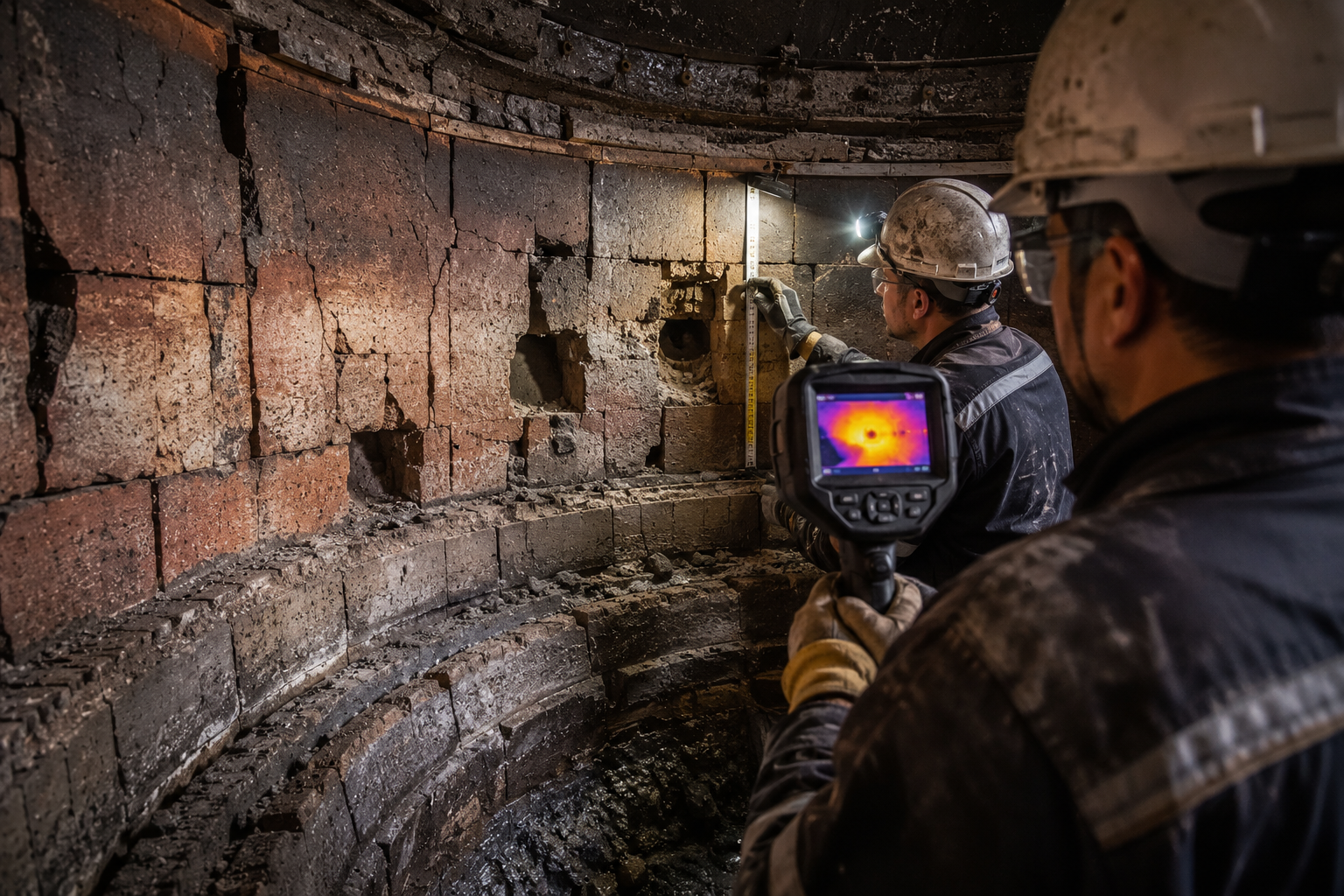
Recognizing wear early can save significant repair costs. Watch for:
- Visible cracking or spalling on the lining surface
- Increased energy consumption for the same output
- Frequent hot spots on the furnace shell
- Reduced lining thickness during inspections
- Irregular melting cycles or inconsistent tapping
If you notice these signs, it’s time to consult a furnace refractories materials expert for an inspection and replacement plan.
How Often Should EAF Refractories Be Replaced?
Furnace usage intensity, slag chemistry, and material quality determine replacement frequency. High-output furnaces may need partial relining every few weeks, while well-maintained linings using premium Heat Resistant Refractory Materials can last significantly longer between major repairs. Regular inspection schedules are the best way to plan replacements proactively rather than reactively.
What Properties Should Refractory Materials Have for Electric Arc Furnaces?
The best-performing refractories share these core properties:
- High thermal shock resistance
- Strong resistance to slag and chemical corrosion
- High mechanical strength to withstand impact
- Low porosity for reduced metal penetration
- Dimensional stability at extreme temperatures
Partnering with the Right Refractory Manufacturer
Choosing reliable refractories requires working with a manufacturer who understands furnace conditions, not just data sheets. Ganesha’s Refractory brings years of expertise in producing high-performance fire bricks, castables, and monolithic solutions built for the demanding environment of Electric Arc Furnaces.
With a good Electric Arc Furnace Maintenance strategy and refractory partner, steel plants can increase furnace life, safety, and productivity, turning refractory investment into long-term operational reliability.
Looking for reliable refractory solutions for your EAF? Connect with Ganesha’s Refractory’s technical team to find the right lining solution for your furnace’s specific operating conditions.
Frequently Asked Questions (FAQs)
What are refractory solutions for Electric Arc Furnaces?
Refractory solutions are heat-resistant materials used to line the interior of an EAF, protecting the furnace shell from extreme temperatures, molten metal, and slag attack while helping maintain consistent melting performance.
Which refractory materials are commonly used in Electric Arc Furnaces?
Refractory fire bricks, high alumina bricks, refractory castables, and ramming mass are used in EAFs depending on the furnace’s walls, roof, or hearth.
Why are refractory materials important in Electric Arc Furnaces?
They protect the furnace structure from thermal and chemical damage, improve energy efficiency, support consistent output, and reduce the risk of structural failure or safety incidents during operation.
How often should Electric Arc Furnace refractories be replaced?
Replacement frequency depends on furnace usage, slag chemistry, and refractory quality. Plants can plan relining before failures with regular inspections.
What properties should refractory materials have for Electric Arc Furnaces?
Good EAF refractories should offer high thermal shock resistance, strong resistance to chemical corrosion from slag, high mechanical strength, low porosity, and dimensional stability under extreme heat.