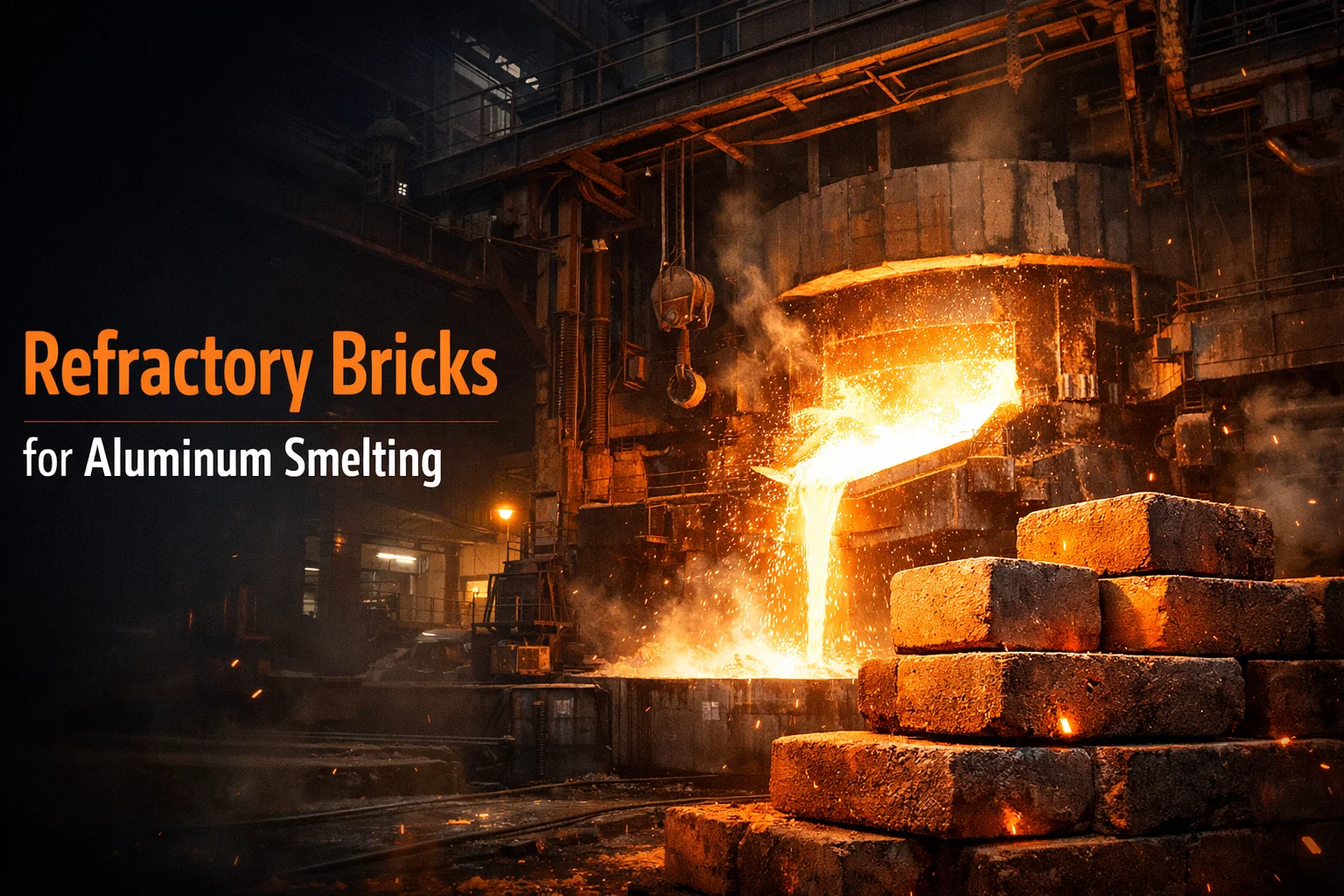
Aluminium smelting is a high-temperature, high-stress process that demands durable and efficient furnace materials. Selecting the right Refractory Bricks for Aluminum Smelting is critical to ensure thermal stability, energy efficiency, and long furnace life. The performance of an aluminium furnace depends heavily on the quality of its refractory lining, as it directly impacts heat retention, resistance to molten metal corrosion, and overall operational efficiency.
In this guide, we break down the best refractory materials, their applications, and how to choose the right solution for aluminum smelting operations.
Key Takeaways
- Refractory bricks play a vital role in aluminum smelting by protecting furnaces from extreme heat and chemical damage, while ensuring stable and efficient operations.
- The effectiveness of an aluminum furnace is closely linked to its refractory lining, which helps retain heat, improve durability, and reduce energy loss over time.
- High-alumina bricks are used for high-temperature zones, insulation bricks for energy efficiency, and acid-resistant bricks for chemical protection.
- Selecting the right material depends on critical properties such as thermal stability, resistance to molten aluminum, mechanical strength, and the ability to handle thermal shock.
- A good furnace lining system has working, backup, and insulation layers to improve performance and lifespan.
- In most aluminum furnace applications, refractory bricks are preferred over castables because they offer better structural strength, easier maintenance, and reliable long-term performance.
- The choice of refractory materials should be based on factors like operating temperature, furnace design, and exposure to corrosive elements, ensuring optimal results.
Why Refractory Bricks Are Essential in Aluminum Smelting
Refractory bricks form the backbone of any aluminum smelting refractory lining. These materials are designed to withstand extreme temperatures and harsh chemical environments while maintaining structural integrity.
Here are the key roles of refractory bricks:
- Thermal Resistance: They can handle high temperatures without deforming, ensuring consistent furnace performance.
- Molten Aluminum Corrosion Resistance: Specialized bricks resist chemical attack from molten aluminum and slags.
- Heat Insulation: Help retain heat inside the furnace, improving energy efficiency.
- Furnace Durability: Protect the furnace structure from thermal shock and mechanical wear.
Without high-quality refractory materials for aluminum industry, furnaces would degrade quickly, leading to increased downtime and maintenance costs.
Types of Refractory Bricks Used in Aluminum Furnaces
Choosing the right fire bricks for aluminum furnace depends on temperature range, chemical exposure, and insulation needs. Here are the most commonly used options:
1. High Alumina Bricks
These are widely used high alumina bricks for aluminum industry due to their excellent strength and resistance to high temperatures.
- Suitable for areas exposed to direct heat
- High load-bearing capacity
- Good resistance to thermal shock
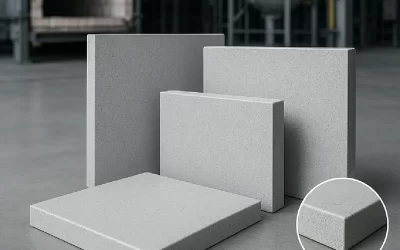
2. Insulation Bricks
Also known as thermal insulation bricks for smelting, these are used to reduce heat loss.
- Low thermal conductivity
- Lightweight and energy-efficient
- Ideal for backup insulation layers
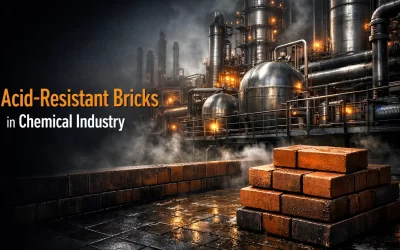
3. Acid Resistant Refractory Bricks
These bricks are designed to withstand chemical reactions within the furnace.
- High resistance to acidic slags
- Protect furnace lining from corrosion
- Extend furnace life
4. Fire Bricks for Melting Furnaces
Standard refractory bricks for melting furnace applications include:
- General-purpose furnace lining
- Moderate temperature zones
- Cost-effective solution
To explore a broader classification, refer to Refractory Brick Types, which help in selecting the right material for specific furnace zones.
Key Properties to Look for in Refractory Bricks
When selecting high-temperature refractory bricks for aluminum furnaces, focus on these essential properties:
Thermal Stability
Bricks must withstand continuous exposure to high temperatures, often exceeding 1000°C, without cracking or deforming.
Thermal Conductivity
Low thermal conductivity ensures better heat retention, improving energy efficiency in furnaces.
Corrosion Resistance
Resistance to molten aluminum and chemical slags is crucial for maintaining furnace integrity.
Mechanical Strength
Bricks should handle mechanical stress, especially in high-load furnace areas.
Thermal Shock Resistance
Frequent heating and cooling cycles require materials that can resist cracking under sudden temperature changes.
Refractory Lining for Aluminum Melting Furnace
A well-designed refractory lining for an aluminum melting furnace involves multiple layers, each serving a specific function.
Working Lining
- Direct contact with molten aluminum
- Requires high corrosion resistance
Backup Lining
- Provides additional insulation
- Reduces heat loss
Insulation Layer
- Uses insulation bricks for aluminum smelting
- Enhances overall energy efficiency
Using the right furnace lining materials for aluminum ensures optimal performance and longer service life.
Bricks vs Castables: Which Is Better?
When comparing refractory options, many industries evaluate bricks against castables.
Refractory Bricks
- Pre-shaped and easy to install
- High durability and structural strength
- Suitable for modular repairs
Castables
- Monolithic structure (no joints)
- Better for complex shapes
- Faster installation in some cases
For aluminum furnaces, bricks are often preferred due to their high temperature stability and ease of maintenance, although castables can be used in specific zones.
For more insights, explore Refractory Materials for Furnace to understand how different materials perform under varying conditions.
Choosing the Best Refractory Bricks for Aluminum Smelting Furnace
Selecting the right refractory bricks is critical to guaranteeing optimal furnace performance, durability, and energy efficiency. The ideal choice depends on multiple operational and environmental factors specific to your smelting process.
- Furnace type and design: Different furnace configurations require specific brick compositions and lining structures.
- Operating temperature: Bricks must withstand extreme heat, sometimes reaching up to 1800°C in demanding conditions.
- Chemical exposure levels: Resistance to molten aluminum and slags is essential to prevent corrosion and damage.
- Maintenance and repair needs: Materials should allow easy replacement and long service intervals to reduce downtime.
Working with a reliable industrial refractory bricks manufacturer ensures you get materials tailored to your exact requirements. In India, brands like Ganesha’s Refractories are recognized as trusted suppliers, offering customized solutions for aluminum smelting applications
Final Thoughts
Choosing the right Refractory Bricks for Aluminum Smelting is essential for ensuring furnace efficiency, durability, and cost-effectiveness. From aluminium smelting furnace fire bricks to advanced insulation solutions, each material plays a vital role in maintaining high performance under extreme conditions.
Partnering with experienced suppliers like Ganesha’s Refractories can help you select the most suitable materials, optimize furnace performance, and reduce long-term operational costs.
Frequently Asked Questions
What type of refractory bricks are used in aluminum smelting?
High alumina bricks, insulation bricks, and acid-resistant refractory bricks are commonly used due to their thermal and chemical resistance.
Why are refractory bricks important in aluminum smelting?
They protect the furnace from extreme heat and corrosion while improving energy efficiency and operational stability.
What temperature can refractory bricks handle in aluminum furnaces?
Depending on the material, refractory bricks can withstand temperatures ranging from 1000°C to 1800°C.
Which is better for aluminum furnaces: castables or bricks?
Both have advantages, but refractory bricks are often preferred for their durability, strength, and ease of maintenance.